Best & Trusted Filler Block Manufacturer in Ahmedabad: Kedar Rubber Products Pvt. Ltd.
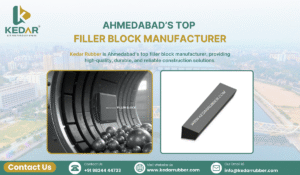
Ahmedabad’s Top Filler Block Manufacturer plays a vital role in supporting industries that operate under some of the harshest mechanical conditions in modern manufacturing. Mining, metal processing, cement production, ceramics manufacturing, and bulk material handling facilities function in environments defined by abrasive ore, sharp clinker, elevated temperatures, and continuous material flow. These conditions place relentless stress on equipment surfaces. In heavy-duty plants, breakdowns are rarely caused by a single dramatic failure; instead, they result from gradual abrasion, repeated impact, and chemical exposure that slowly degrade components until production efficiency begins to suffer.
As global demand for minerals, metals, construction materials, and industrial ceramics continues to grow, operations are expanding across major mining regions, steel hubs, and cement corridors in Asia, Africa, and South America. With this expansion comes a clear expectation from plant owners and operators: equipment must operate for longer cycles between shutdowns, maintenance schedules must remain predictable, and operational safety risks must be minimised.
Wear protection components are central to achieving these goals. Among them, the Filler Block may appear simple in design, yet its functional importance in real plant conditions is significant. It contributes to effective load distribution, absorbs impact forces, and protects surfaces in mills, chutes, hoppers, and transfer points. When engineered, selected, and installed properly, a filler block enhances equipment reliability, supports planned maintenance strategies, and reduces the risk of unplanned downtime—making it far more than a temporary solution in demanding industrial environments.
Industrial Challenges That Drive Demand for Filler Block
A combination of mechanical and chemical stress factors shapes the operating environment of heavy industry. In mining and metal processing operations, sharp-edged ore and slag repeatedly strike liners and internal surfaces. Cement plants deal with clinker abrasion and dust infiltration. Ceramic manufacturers handle hard, angular raw materials. Bulk material handling systems face continuous sliding wear at conveyor transfer points.
Key challenges include:
- Abrasion: Fine particles and hard aggregates gradually remove material from steel surfaces, increasing clearances and reducing equipment efficiency.
- Impact Loads: Drop points and mill feed zones experience repeated shocks that can crack rigid liners and damage mounting points.
- Corrosion: Moisture, chemicals, and slurry environments accelerate material degradation.
- Downtime: Unexpected liner failure leads to forced shutdowns, lost production, and safety exposure during emergency repairs.
- Maintenance Cost: Frequent liner replacement, unplanned labour, and spares management add to operational expenditure over time.
Global industrial environments, from open-pit mines in Australia to mineral processing plants in Africa and cement facilities across Asia, face similar patterns of wear. The difference in performance often comes down to how well wear protection systems are engineered and maintained, not merely what material is used.
What Is Filler Block?
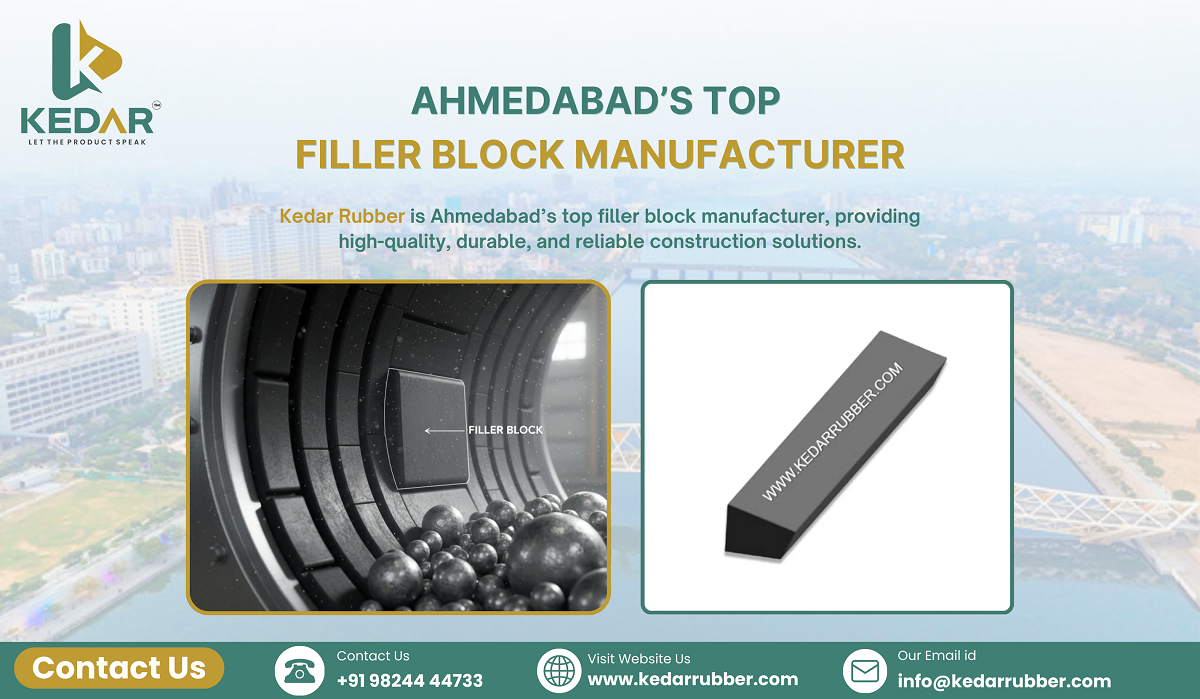
A Filler Block is a wear protection and load distribution component used in conjunction with rubber liners, ceramic wear systems, and rubber lining installations. It is typically placed in voids, corners, or transition zones where standard liner geometry cannot provide full surface coverage.
From an engineering perspective, the function of a Filler Block is straightforward:
- To eliminate dead zones where material can build up and cause uneven wear.
- To support linear systems by filling gaps between the equipment structure and the liner profiles.
- To absorb localised impact and reduce stress concentration on metal substrates.
It is not a standalone wear solution and does not replace primary liners or ceramic tiles. Instead, it complements them by improving contact continuity and ensuring that load and abrasion are distributed more evenly across protected surfaces.
Applications Across Industries
Filler Blocks are used wherever equipment geometry creates voids or transition areas that standard liners cannot cover fully. Practical applications include:
- Mining: Ball mills, slurry chutes, and ore transfer points where liner profiles leave gaps at edges or corners.
- Cement: Clinker handling chutes, pre-heater discharge zones, and mill feed areas exposed to impact and abrasion.
- Metal & Steel: Raw material bunkers, sinter plant chutes, and slag handling systems.
- Ceramic: Raw material hoppers and material flow channels handling abrasive minerals.
- Power Plants: Ash handling systems and coal transfer chutes.
- Bulk Material Handling: Conveyor transfer points and loading zones where material stream changes direction.
Experienced plant engineers often observe that premature liner wear often begins at interfaces and corners rather than flat surfaces. Proper use of filler blocks reduces these localised failure points.
Material Science & Engineering Considerations
The performance of a Filler Block depends on the materials used and how they interact with the surrounding liner system.
- Rubber Properties: Industrial rubber compounds are selected for resilience, abrasion resistance, and energy absorption. Rubber helps dampen impact loads and reduce noise and vibration.
- Ceramic Hardness: In high-abrasion zones, ceramic-faced filler blocks may be used to resist sliding wear. Ceramic material offers high hardness but requires proper backing to prevent brittle failure.
- Wear Resistance Principles: Abrasion resistance is influenced by hardness, elasticity, and the ability of the surface to absorb micro-impacts without cracking.
- Impact Absorption: Rubber-backed filler blocks can absorb shock energy and protect both ceramic tiles and steel substrates from stress concentration.
Manufacturers with long-term industry exposure understand that material selection is application-specific. No single compound performs optimally in all environments.
Design & Customisation Requirements
Standard filler blocks rarely fit complex industrial equipment perfectly. Design considerations typically include:
- Equipment Compatibility: Matching the geometry of mills, chutes, and hoppers.
- Custom Sizing: Adjusting dimensions to eliminate gaps without inducing stress on liners.
- Application-Specific Design: Tailoring thickness, material composition, and bonding method based on abrasion and impact severity.
Customisation is often necessary in retrofit projects where legacy equipment dimensions differ from modern liner systems.
Manufacturing Quality & Process Control
Wear components operate in harsh conditions where minor manufacturing defects can lead to early failure. Quality control practices that matter in filler block manufacturing include:
- Precision Moulding: Ensuring dimensional accuracy for proper fit.
- Compound Consistency: Controlling rubber formulation batches to maintain predictable performance.
- Bond Integrity: For ceramic-backed blocks, consistent bonding between ceramic tiles and rubber substrates.
- Inspection Protocols: Visual, dimensional, and batch testing to detect defects before dispatch.
Process discipline directly influences field performance, especially in continuous-operation plants.
Installation & Maintenance Considerations
Ease of installation and predictable maintenance cycles are important for plant uptime.
- Installation: Proper surface preparation and alignment prevent premature detachment.
- Downtime Reduction: Well-designed filler blocks reduce the need for frequent liner adjustments.
- Maintenance Cycles: Scheduled inspections allow worn filler blocks to be replaced during planned shutdowns rather than emergency stoppages.
In practice, consistent installation procedures matter as much as material quality.
Safety & Operational Reliability
Wear protection systems affect not only equipment life but also worker safety.
- Worker Safety: Reduced need for emergency repairs lowers exposure to hazardous conditions.
- Equipment Protection: Controlled wear prevents sudden liner failure and material spillage.
- Plant Reliability: Stable wear patterns support predictable maintenance planning and operational continuity.
Safety performance improves when wear components fail gradually rather than catastrophically.
Cost Efficiency Over Equipment Life Cycle
Cost efficiency in industrial operations is measured over the life of equipment rather than per component.
- Long-Term Savings: Improved wear management extends liner replacement intervals.
- Reduced Shutdowns: Planned maintenance avoids unplanned production loss.
- Maintenance Optimisation: Predictable wear patterns support spare parts planning and workforce allocation.
The economic benefit comes from stability and predictability, not from short-term component replacement cycles.
Export Readiness & Global Acceptance
Industrial buyers in international markets expect more than basic product supply. Export readiness involves:
- Documentation: Material specifications, test reports, and traceability.
- Standards Awareness: Alignment with commonly accepted industrial norms.
- Global Buyer Requirements: Packaging, consistency, and technical communication suitable for overseas projects.
Suppliers serving mining, cement, and metal plants in global projects must demonstrate technical credibility, not just production capacity.
Why Experienced Manufacturers Matter?
Manufacturers with long-term industry exposure understand operational realities that are not captured in drawings alone. Experience influences:
- Engineering Decisions: Selecting appropriate materials for specific wear mechanisms.
- Industry Knowledge: Understanding how equipment behaves in real operating conditions.
- Reliable Supply: Consistency in production and delivery to match plant shutdown schedules.
In high-risk industrial environments, supplier experience reduces the likelihood of trial-and-error solutions.
About Kedar Rubber Products
Kedar Rubber Products, operating as KEDAR RUBBER PRODUCTS PVT LTD, is an experienced manufacturer of industrial wear protection systems, including ball mill rubber liners, ceramic wear protection solutions, rubber lining systems, conveyor solutions, and associated components such as filler blocks.
Serving Pan India across major industrial regions and supplying to global industrial markets, the company works closely with mining companies, cement plants, metal & steel producers, ceramic manufacturers, and bulk material handling operators. More information on product capabilities and engineering support is available at 👉 https://www.kedarrubber.com/
Conclusion:
Filler Blocks are small but functionally important components within broader wear protection systems. Their role in eliminating gaps, distributing loads, and supporting liners directly influences wear patterns, maintenance planning, and plant reliability. In heavy-duty industrial environments, attention to such supporting components often determines whether a wear protection strategy performs as intended.
For plant engineers and operations teams, selecting filler blocks based on application-specific wear mechanisms, material science principles, and manufacturing quality is a practical step toward stable, predictable plant performance.
Key Takeaways
- Supports wear protection systems by eliminating gaps and stress points
- Improves operational reliability in abrasive and impact-prone zones
- Suitable for mining, cement, metal, ceramic, power, and bulk handling industries
- Contributes to predictable maintenance cycles and equipment protection
- Relevant for global industrial projects with demanding operating conditions
FAQS
1. What is the typical lifespan of a filler block in industrial service?
- Lifespan depends on abrasion severity, impact load, and material selection. In high-impact zones, inspection intervals should be shorter to monitor wear progression.
2. Are filler blocks suitable for all types of material handling equipment?
- They are most effective in areas with geometric gaps or transition zones. Suitability depends on equipment design and wear mechanisms present.
3. How often should maintenance teams inspect or replace filler blocks?
- Inspection is usually aligned with liner maintenance schedules. Replacement is based on wear progression rather than fixed time intervals.
4. When should engineers prefer rubber filler blocks over ceramic-faced options?
- Engineers prefer rubber in impact-dominant zones because it absorbs energy effectively, while they use ceramic-faced options in high-abrasion, low-impact areas.
5. Do global mining and cement projects commonly use filler blocks?
- Yes. They are standard supporting components in many international wear protection designs, particularly in mills and chutes.
#BallMillRubberLiner #CeramicWearProtection #RubberLining #MiningSolutions #BulkMaterialHandling #ConveyorSolutions #kedarrubberproduct #WearProtection #IndustrialManufacturing