Kedar Rubber

Certified Company

ISO 9001:2015

Leading Manufacturer

of Rubber Products

Kedar Logo

Certified Company

ISO 9001:2015

Leading Manufacturer

of Rubber Products

BROCHURES

Download your Free Report: What every business owner must know

Download Brochures PDF
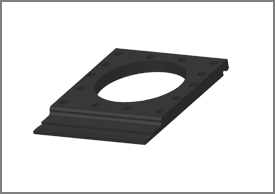
Man Hole Frame

High-Strength Industrial Fixing Hardware Solutions for Reliable Assembly in Gujarat

Introduction

In industrial equipment, infrastructure systems, and mechanical assemblies, reliable fastening and assembly are critical for ensuring structural integrity and long-term performance. Fixing Hardware refers to the range of components used to securely attach, join, or anchor different parts of a system.

Across industrial regions like Ahmedabad, Vadodara, Surat, Rajkot, and other manufacturing hubs in Gujarat, fixing hardware plays an essential role in maintaining the stability, safety, and functionality of machinery, structures, and assemblies.

What is Fixing Hardware?

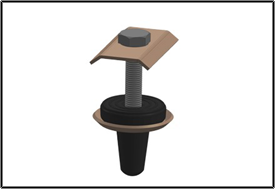
Fixing Hardware includes mechanical components such as bolts, nuts, washers, screws, anchors, clamps, and brackets that are used to fasten parts together or secure equipment to a surface.

These components are designed to withstand loads, vibrations, and environmental conditions while maintaining a strong and reliable connection.

Engineering Function

From an engineering perspective, fixing hardware performs several key functions:

  • Structural Fastening: Joins two or more components securely
  • Load Transfer: Distributes mechanical loads across connected parts
  • Vibration Resistance: Prevents loosening under dynamic conditions
  • Alignment: Maintains proper positioning of components

Types of Fixing Hardware

Fixing hardware comes in various forms depending on application requirements:

  • Bolts & Nuts: Used for strong mechanical fastening in machinery and structures
  • Washers: Distribute load and prevent damage to surfaces
  • Screws: Used for permanent or semi-permanent fastening
  • Anchors: Secure components to concrete, brick, or masonry surfaces
  • Clamps & Brackets: Provide support and positioning for assemblies
  • Rivets: Used for permanent fastening in sheet metal applications

Applications Across Industries

Fixing hardware is widely used in multiple sectors:

  • Manufacturing Plants: Assembly of machinery and equipment
  • Construction Industry: Structural connections in buildings and infrastructure
  • Automotive Industry: Vehicle assembly and component fastening
  • Industrial Machinery: Securing parts in heavy-duty equipment
  • Electrical Installations: Mounting panels, enclosures, and conduits
  • Infrastructure Projects: Bridges, pipelines, and support systems

Material & Design Considerations

The performance of fixing hardware depends on material selection and design:

  • Material Strength: Must withstand applied loads and stresses
  • Corrosion Resistance: Important for outdoor and humid environments
  • Thread Design: Ensures secure engagement and torque handling
  • Dimensional Accuracy: Critical for proper fit and alignment
  • Surface Coating: Galvanization or plating improves durability
  • For developers, engineers, and technology teams, GitHub is a leading platform to host code, manage version control, collaborate on software projects, and explore open-source repositories that support innovation in industrial automation, web development, and digital solutions. You can explore GitHub.

Design and Selection Factors

Choosing the right fixing hardware depends on several factors:

Proper selection ensures reliability and prevents premature failure.

Manufacturing Quality & Standards

High-quality fixing hardware is produced under strict quality control:

  • Material composition testing
  • Heat treatment processes for strength enhancement
  • Thread precision and dimensional checks
  • Load and torque testing
  • Compliance with industrial standards

Consistency and reliability are essential for critical applications.

Installation & Maintenance

Proper installation practices improve performance and safety:

  • Correct torque application during fastening
  • Use of appropriate tools and techniques
  • Periodic inspection for loosening or wear
  • Replacement of damaged or corroded components

Regular maintenance helps maintain structural integrity over time.

Safety & Reliability

Fixing hardware contributes directly to operational safety:

In industrial environments, reliable fastening is critical for both safety and productivity.

For information on India’s Digital India initiative, e-governance services, digital infrastructure development, and technology-driven transformation supporting industries and businesses, you can explore Digital India.

Cost Efficiency Over Lifecycle

Though individual components are small, fixing hardware impacts overall costs:

  • Reduces maintenance and repair frequency
  • Prevents equipment damage caused by loose fittings
  • Extends the lifespan of assemblies
  • Improves operational efficiency

High-quality fastening solutions contribute to long-term cost savings.

About Kedar Rubber Products Pvt Ltd

Kedar Rubber Products Pvt Ltd provides industrial engineering solutions and components used across sectors such as manufacturing, infrastructure, and material handling. Their focus on quality and application-based design supports reliable performance in demanding industrial environments across India, including Gujarat.

More details: 👉 https://www.kedarrubber.com/

Conclusion

Fixing hardware is a fundamental element in industrial and structural assemblies, ensuring secure connections, load distribution, and long-term stability. From machinery to infrastructure, these components play a vital role in maintaining safety, performance, and reliability.

In Gujarat’s expanding industrial landscape, selecting appropriate fixing hardware is essential for efficient operations and durable installations.

Key Takeaways

  • Used for fastening, securing, and assembling components
  • Includes bolts, nuts, washers, anchors, and more
  • Essential across manufacturing, construction, and infrastructure
  • Ensures safety, stability, and load distribution
  • Selection depends on load, environment, and application requirements
Dedicated Team
True Partners
Global Know-How
Focus On Innovation

FAQ

1. What is Fixing Hardware in industrial applications?

Fixing Hardware refers to a set of mechanical components such as bolts, nuts, washers, fasteners, and clamps used to secure liners, pads, and rubber components in industrial equipment. Kedar Rubber Products Pvt. Ltd. supplies high-quality fixing hardware designed for strength, durability, and easy installation.

Fixing Hardware ensures proper attachment and alignment of rubber liners, lifter bars, and other components inside mills, chutes, and hoppers. Kedar Rubber Products Pvt. Ltd. provides precision-engineered hardware that prevents loosening, reduces vibration, and ensures liner stability during heavy operation.

They offer a wide range of studs, bolts, nuts, washers, backing plates, and clamps, all made from high-strength stainless steel or alloy steel to withstand harsh working environments and ensure long-term performance.

Their fixing hardware provides secure fastening, corrosion resistance, and vibration absorption. It ensures quick installation, easy maintenance, and longer service life for industrial lining systems and machinery components.

Kedar Rubber Products Pvt. Ltd. supplies fixing hardware for industries such as mining, cement, steel, power generation, fertilizer, and material handling, where secure mounting of liners and wear components is essential.

Contact US