Split Triangle Plate Ofset in Morbi: Enhancing Wear Protection and Reliability in Heavy Industrial Operations
Introduction
Sectors such as quarrying, cement creation, metal fabrication, earthenware production, and handling of large quantities of materials operate under very challenging circumstances. Machinery in these fields must cope with rough substances, significant impact forces, and extended operational durations. In centers for ceramic making like Morbi, utilizing the Split Triangle Plate Ofset in Morbi has become increasingly vital for safeguarding equipment surfaces subject to ongoing wear. This element aids sturdy wear defense setups, enabling industries to lessen service interruptions, enhance operational steadiness, and sustain steady output in difficult manufacturing settings.
In rugged industrial settings, equipment pieces face constant harsh mechanical strain. Rock fragments, processed stone, chalk, fuel, and ceramic feedstock move through processing lines in large volumes. These substances cause unrelenting rubbing and jarring that can rapidly damage structural parts if adequate safeguarding isn’t put in place.
A specific component employed in shielding industrial machinery is the Split Triangle Plate Ofset. Developed to reinforce wear defense mechanisms and boost structural toughness, this part plays a crucial role in sustaining efficient plant function.
Industrial Hurdles Prompting Need for Split Triangle Plate Ofset
Major industrial operations present a mix of mechanical and environmental difficulties. These conditions progressively weaken equipment surfaces and structural elements.
Friction from Bulk Goods
In mining and cement facilities, vast amounts of abrasive substances like iron ore, chalk, processed stone, and silica constantly traverse chutes, grinders, and conveyor belts. Experienced plant overseers frequently note that friction is the main source of part degradation.
Without suitable defense, metal surfaces slowly wear away, affecting precise measurements and equipment alignment.
Strong Impact Forces
In quarrying and metal refining, materials often fall from considerable heights into breakers, grinders, and transfer points. These collisions generate intense, concentrated pressure on equipment exteriors.
Over the long term, repeated shocks lead to warping, splitting, and structural strain if parts aren’t engineered to soak up jolts.
Rust and Environmental Exposure
Industrial surroundings frequently feature dampness, chemical agents, and processing impurities. These elements speed up corrosion, especially in steel parts dealing with slurry or wet material transport.
Unexpected Stoppages
Equipment deterioration often leads to unforeseen breakdowns. Service crews must halt production lines to fix or swap out damaged pieces. Halting operations at high-throughput plants can lead to substantial revenue loss.
Increasing Service Expenses
Regular mending, replacement of extra components, and labor costs add to higher operational outlays. Therefore, manufacturers and plant operators look for durable wear defense options that prolong service life and simplify servicing.
The Split Triangle Plate Ofset helps resolve many of these operational issues by supporting robust wear defense arrangements within industrial apparatus.
Defining the Split Triangle Plate Ofset
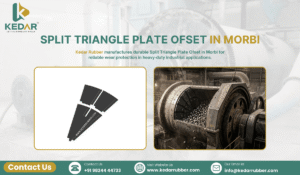
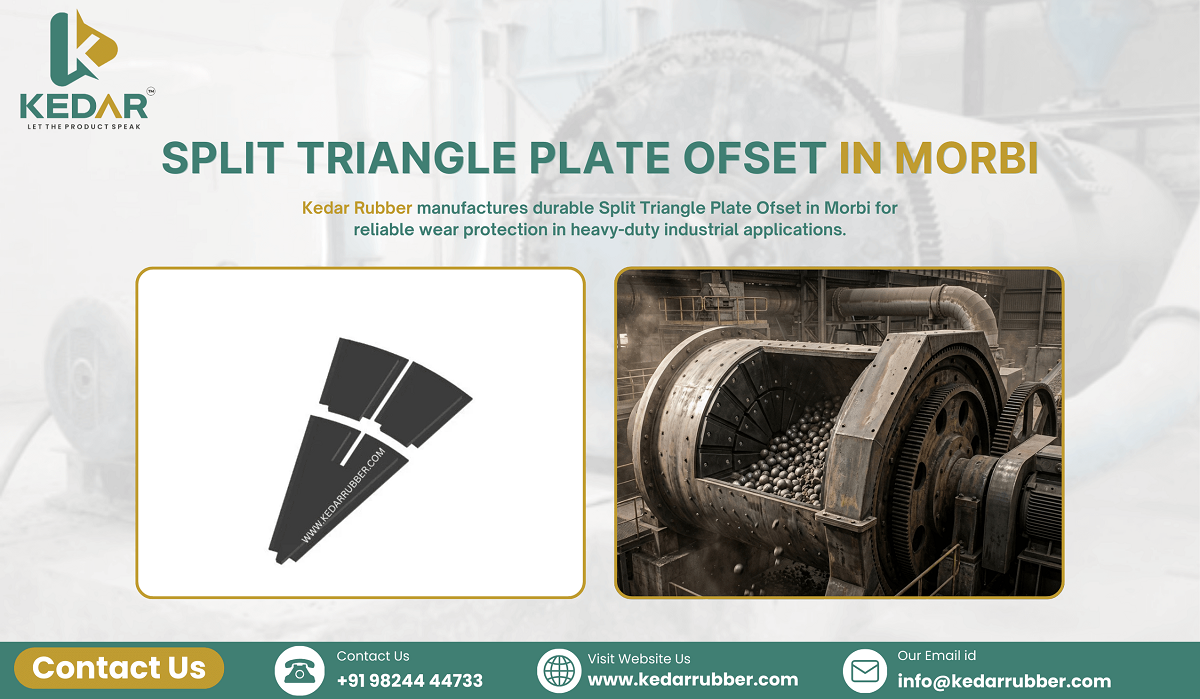
The Split Triangle Plate Ofset is a specifically engineered part for wear defense used in heavy industrial machinery, particularly apparatus exposed to abrasive matter and mechanical jarring.
In terms of structure, it features a triangular plate design that is split, allowing for versatile mounting and suitability with various equipment shapes. The staggered arrangement improves how loads are spread out and offers extra structural backing in areas of high wear.
Unlike plain metal sheets, the cleaved triangle form simplifies mounting and swapping during servicing periods. This layout also permits integration with rubber or ceramic wear defense setups, depending on the specific use case.
In actual industrial applications, the Split Triangle Plate Ofset acts as a protective structural piece that helps steady wear linings and preserve equipment soundness.
Uses Across Various Sectors
The Split Triangle Plate Ofset finds use across several industrial fields where machinery dependability and wear protection are crucial.
Quarrying Sector
Mining activities handle extremely rough materials like iron ore, copper ore, bauxite, and fuel. Equipment such as grinders, breakers, and transfer chutes needs structural pieces capable of resisting heavy wear.
Split Triangle Plate Ofset elements help maintain the stability of wear defense systems inside these machines.
Cement Factories
Cement creation involves the continuous processing of chalk, processed stone, and gypsum. Grinding mills and material transport networks suffer high degrees of friction.
These components assist in shielding internal equipment exteriors and supporting wear linings in grinding setups.
Metal & Steel Mills
In steel production facilities, raw inputs like sinter, pellets, and coke pass through numerous transfer points and processing units.
Robust structural pieces are necessary to maintain equipment performance in these high-heat and abrasive settings.
Earthenware Production
Raw materials for ceramics, like clay, feldspar, and silica, are abrasive and can quickly wear down machinery. Wear-resistant components improve the durability of equipment in grinding and mixing setups.
Power Stations
Facilities running on coal power rely heavily on systems for handling large material volumes. Parts exposed to coal processing must tolerate continuous rubbing.
Split Triangle Plate Ofset frameworks help uphold wear defense systems in such installations.
Bulk Material Transport Systems
Conveyors, transfer chutes, and storage bins are widely used in ports, storage areas, and manufacturing sites. Structural components that boost toughness and maintain liner stability are essential for dependable operation.
Material Science & Engineering Study
Designing components for industrial wear defense necessitates an understanding of material science and mechanical engineering concepts.
Qualities of Rubber
Rubber materials are commonly employed in industrial wear defense because of their capacity to absorb impact energy. Rubber surfaces yield under pressure and then regain their initial form, lessening the chance of structural harm.
In demanding industrial settings, rubber also helps reduce vibrations and noise.
Hardness of Ceramics
Ceramic substances are recognized for their outstanding firmness and resistance to wear. They are often deployed in wear defense systems where sliding friction is the main issue.
Ceramic surfaces keep their integrity even when encountering highly abrasive inputs.
Principles of Wear Resistance
Resistance to wear is influenced by various elements, including material firmness, flexibility, and impact tolerance. In numerous industrial uses, a blend of materials is utilized to balance friction resistance and shock absorption.
Impact Absorption
Components that feature rubber or pliable substances help distribute shock forces over a wider area. This lessens focused stress points and avoids premature equipment failure.
Manufacturers with extensive industry background know how to merge these material attributes to produce dependable wear defense setups.
Design & Modification Needs
Industrial machinery differs greatly in size, configuration, and operating circumstances. Consequently, pieces like the Split Triangle Plate Ofset are frequently tailored to meet the unique demands of a specific task.
Key design aspects to consider include:
- Suitability with equipment layout
- Custom sizing for different machines
- Integration with rubber or ceramic wear linings
- Requirements for load dispersion
- Ease of access for maintenance crews
Engineers typically examine how wear occurs on equipment before deciding on the best configuration.
Production Quality & Process Oversight
Accurate production is vital for the consistent performance of industrial parts.
Dependable production workflows feature:
- Precise dimension machining
- Managed rubber molding cycles
- Suitable joining methods for mixed-material assemblies
- Surface treatments for enhanced longevity
Quality assurance typically involves measuring component sizes, material testing, and verifying batches to ensure uniformity.
Setup & Servicing Guidelines
The segmented nature of the Split Triangle Plate Ofset permits mounting without major machine take-apart in numerous situations. This lessens servicing difficulty and saves crucial idle time during planned stoppages. Ease of fitting is a key consideration for servicing crews operating within vast industrial sites.
Servicing personnel can also swap out tired elements one by one instead of exchanging whole units. Regular check-ups aid in setting the right upkeep schedule and averting unforeseen equipment failures.
Safety & Operational Dependability
Worker safety and equipment trustworthiness are closely linked in factory settings. Appropriately conceived wear defense setups help avoid structural breakdowns that might jeopardize service staff or operational personnel.
By preserving equipment soundness, these parts create safer work settings and more predictable site functions. In extraction and metal refining activities, maintaining solid equipment frameworks is necessary for both output and adherence to safety rules.
Value Efficiency Across Equipment Lifespan
While safeguards against wear represent a minor element of total site expenditure, they significantly impact operational effectiveness.
Upsides throughout the equipment’s working life include:
- Fewer repair call-outs
- Less lost production during upkeep
- Prolonged operational period for primary machinery
- Better maintenance scheduling
Over time, these aspects lead to superior cost oversight and increased site output.
Ship-Ready Status & Worldwide Acceptance
Industrial purchasers in global arenas frequently mandate suppliers meet rigorous quality and paperwork benchmarks.
Manufacturers prepared for export typically furnish:
- Source tracking for materials
- Technical documentation packages
- Uniform production standards
- Dependable shipping and packaging
Industries in resource extraction zones, fired-clay production hubs, and heavy fabrication sectors often seek vendors able to meet these demands.
The Importance of Seasoned Producers
Wear defense arrangements are not off-the-shelf items. Their efficacy heavily relies on design thinking, manufacturing exactness, and sector familiarity.
Manufacturers with a lengthy background in the field grasp:
- Site operating conditions
- Modes of wear
- Limitations in equipment design
- Service protocols
This accumulated insight enables them to fabricate parts that function dependably under strenuous industrial circumstances.
Regarding KEDAR RUBBER PRODUCTS PVT LTD
KEDAR RUBBER PRODUCTS PVT LTD is a seasoned industrial fabricator focusing on designed wear defense and rubber-based industrial elements.
The firm delivers solutions such as Ball Mill Rubber Linings, Ceramic Wear Protection Systems, Rubber Lining Solutions, Ball Mill Rubber Products, and Conveyor Components to production sectors throughout India and overseas markets.
With an emphasis on industrial assurance and practical engineering answers, the firm serves mining operations, cement works, ceramic makers, and bulk material transit sectors.
For further insight into their industrial offerings, browse to:👉 https://www.kedarrubber.com/
Closing Summary
The Split Triangle Plate Ofset serves a vital purpose in shielding industrial hardware from deterioration, impact forces, and structural strain. In fields like resource extraction, cement production, steel making, and bulk material transport, sustaining hardware toughness is crucial for uninterrupted output.
By bolstering wear defense architectures and steadying structural features, this engineered fixture aids in better equipment output and lessens servicing hurdles.
When integrated into a thought-out wear defense plan, such elements assist plants in reaching dependable operations and enduring equipment performance.
Primary Takeaways
- The Split Triangle Plate Ofset bolsters industrial wear defense mechanisms
- Assists in preserving hardware integrity in abrasive settings
- Suited for mining, cement, steel, ceramics, and power generation facilities
- Diminishes servicing intricacy and lost operating hours
- Contributes to sustained operational dependability in industrial facilities
Trending FAQs
1. What is the typical lifespan of a Split Triangle Plate Ofset?
- The lifespan depends on operating conditions, material abrasiveness, and maintenance practices in many industrial environments.
2. In which industries is Split Triangle Plate Ofset commonly used?
- Mining operations, cement plants, metal and steel facilities, ceramic manufacturing units, and bulk material handling systems commonly use it.
3. How often should maintenance inspections be performed?
- Experienced plant engineers recommend routine inspections during scheduled shutdowns to identify wear patterns and determine replacement timing.
4. How does rubber wear protection compare with ceramic protection?
- Rubber offers excellent impact absorption, while ceramic provides superior abrasion resistance.
5. Is the Split Triangle Plate Ofset compatible with different equipment designs?
- Yes, these components are often customized to match specific equipment dimensions and operating conditions.
#BallMillRubberLiner #CeramicWearProtection #RubberLining #MiningSolutions #BulkMaterialHandling #ConveyorSolutions #kedarrubberproduct #WearProtection #IndustrialManufacturing