Kedar Rubber Products: Leading Manufacturer of Split Triangle Plate Offset for Heavy Equipment
In heavy-duty industrial environments, wear is not just occasional—it’s a constant operational challenge. Mining operations endure relentless abrasion from ore movement, while cement plants handle highly abrasive clinker and raw materials. Metal and steel facilities operate under extreme temperatures, impact loads, and corrosive conditions. Ceramic manufacturers process dense, sharp materials that quickly erode equipment surfaces. Across bulk material handling systems in power plants and industrial facilities, friction, impact, and vibration are constant concerns. To address these demanding conditions, a trusted Split Triangle Plate Offset Manufacturer for Heavy Equipment provides durable, precision-engineered solutions that enhance equipment life, reduce downtime, and ensure reliable performance in the toughest environments.
Throughout India—from the resource extraction zones in Jharkhand, Odisha, and Chhattisgarh to the concrete manufacturing centres in Rajasthan, Gujarat, and Tamil Nadu—facility technicians face pressure to boost operational availability while shortening service intervals. Industrial expansion in states like Maharashtra, Karnataka, Andhra Pradesh, Telangana, West Bengal, Uttar Pradesh, Madhya Pradesh, Haryana, Punjab, Himachal Pradesh, Uttarakhand, Bihar, Assam, Meghalaya, Goa, Kerala, and across major industrial corridors nationwide has heightened the need for reliable abrasion defenceprotection systems.
Globally, extractive areas in Australia, South Africa, Chile, and metal production clusters in Europe and Southeast Asia face comparable hurdles. Equipment longevity and managing material wear have become key strategic concerns.
A vital yet often disregarded wear component is the Split Triangle Plate—a specialised safeguard engineered to protect machinery areas subjected to intense force and grinding. Correctly designed Split Triangle Plates help extend equipment service life, minimise unproductive time, and sustain steady output.
Industrial Difficulties Driving Need for Split Triangle Plates
- Abrasion: In extraction and metal refinement processes, gritty substances continuously rub and strike machine surfaces. Over time, liners, troughs, storage bins, and transfer points suffer significant material loss.
- Forceful Impacts: Large particles of iron ore, coal, limestone, and clinker deliver focused energy strikes. Standard flat liners can fracture or detach under repeated shock.
- Corrosion: Dampness, chemical exposure, and temperature shifts accelerate decay in metal frameworks, particularly near coasts and in humid locales such as Gujarat, Maharashtra, Tamil Nadu, and Kerala.
- Service Interruptions: Unscheduled component swaps disrupt manufacturing timelines. Seasoned facility engineers frequently note that minor wear-and-tear issues can bring entire process lines to a halt.
- Upkeep Expenses: Frequent replacement of worn parts raises labour expenses and the need for spare component stock. In large cement or steel facilities, maintenance inefficiencies directly impact profit margins.
These ongoing issues across material extraction centres in Odisha, Chhattisgarh, and Rajasthan, and in industrial hubs in Maharashtra, Gujarat, and Karnataka, fuel demand for specialised wear parts like Split Triangle Plates.
What Defines a Split Triangle Plate?
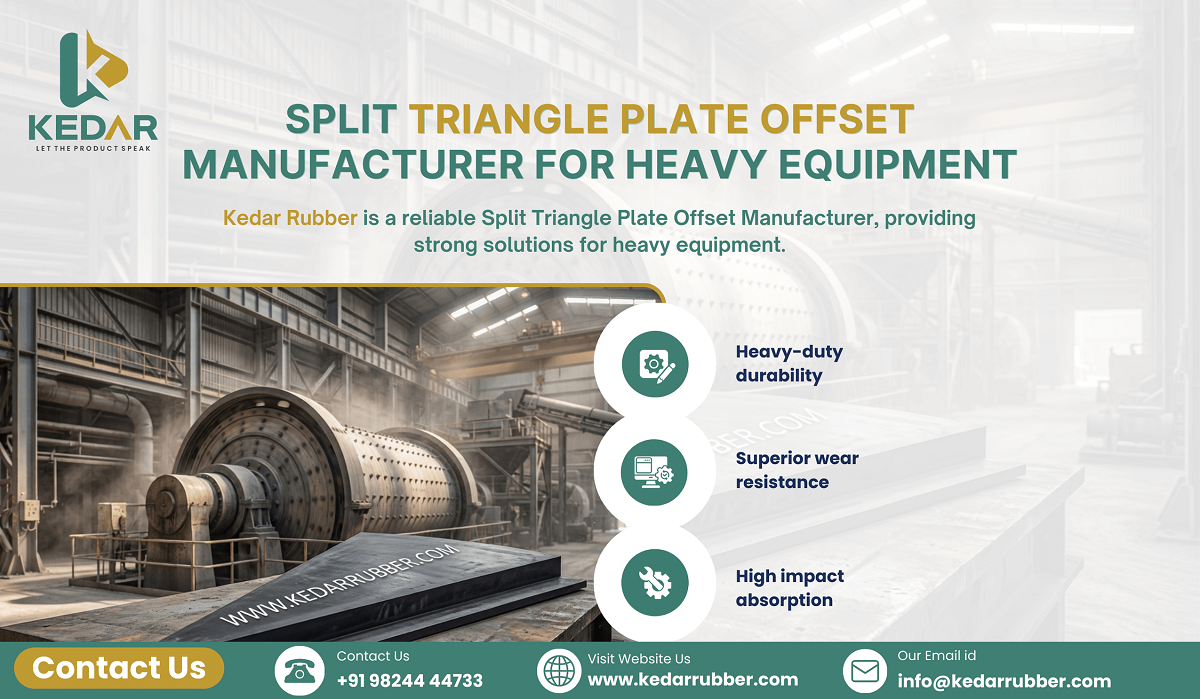
A Split Triangle Plate is a wear-defence fixture shaped like a triangle with a separation, allowing for more straightforward, easier fitting, and secure placement in highly worn sections.
Unlike standard flat pieces, the triangular form spreads impact forces more effectively over its area. The split configuration permits placement around axles, curved sections, or tight structural spaces without necessitating extensive disassembly.
Split Triangle Plates are generally constructed from:
- Premium wear-resistant rubber
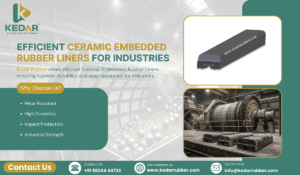
- Rubber-ceramic composite blends
- Reinforced supporting frameworks (when necessary)
Their purpose is straightforward yet essential: shield the base metal surfaces from grinding and impact while absorbing shock energy.
Usage Across Sectors
- Mining Sector: Employed in chutes, hoppers, feeders, transition points, and ore transport systems in iron ore, coal, and bauxite mining operations. Especially pertinent in resource-rich states like Jharkhand, Odisha, Chhattisgarh, and Karnataka.
- Cement Factories: Installed in clinker conveyance systems, raw material chutes, and bucket elevator exit areas across concrete production hubs in Rajasthan, Gujarat, Tamil Nadu, and Andhra Pradesh.
- Metal & Steel Mills: In steel facilities situated in Maharashtra, West Bengal, and Odisha, Split Triangle Plates are used in material transfer pathways and sinter handling units where impact and abrasion are severe.
- Ceramic Production: Ceramic hubs in Gujarat and Rajasthan require wear defence in ball mill exit systems and material transport sections.
- Power Stations: Coal-handling facilities across Uttar Pradesh, Madhya Pradesh, Telangana, and Haryana utilise wear liners at conveyor transfer points.
Material Science & Engineering Factors
Producers with deep industry background recognise that material choice dictates performance.
- Rubber Characteristics
- High elasticity
- Shock absorption capability
- Tear resilience
- Pliability under weight
Design & Customisation Necessities
Industrial setups are seldom identical. Equipment shapes differ significantly across original equipment manufacturers (OEMs) and site layouts.
Design assessments include:
- Plate thickness based on material speed
- Reinforcement at impact zones
- Mounting technique
- Bolt pattern compatibility
- Temperature limits
Tailored sizing is often needed for precise applications in mining or cement operations. Split designs allow retrofitting into existing setups without significant framework alterations.
Manufacturing Quality & Process Control
Precise fabrication directly influences operational dependability.
Manufacturers prioritising quality ensure:
- Controlled rubber mixture formulation
- Consistent ceramic integration
- Appropriate hardening processes
- Accurate measurements
- Bond strength verification
Uniformity across batches is vital for substantial industrial orders, particularly when servicing projects spanning multiple Indian states.
Assessment procedures usually involve checking the durometer value, adhesion quality, and dimensional correctness before shipping.
Fitting & Servicing Points
Split Triangle Plates are conceived to streamline installation.
Key operational perks:
- Reduced need for disassembly
- Quicker replacement timelines
- Compatibility with standard fixing mechanisms
Knowledgeable facility technicians often observe that ease of fitting directly decreases downtime. Correct alignment and proper tension during installation assure long-term stability.
Maintenance reviews typically coincide with planned service shutdowns. Simple visual checks for wear depth and bolt tension are usually adequate.
Safety & Operational Dependability
Wear failures can create sharp metal edges, falling fragments, and structural weaknesses.
Correctly fitted Split Triangle Plates:
- Safeguard underlying steel structures
- Lower the chance of sudden metal collapse
- Improve consistency of chute material flow
- Minimise material overflow
Worker welfare is enhanced when wear defence systems remain sound and stable. Protecting machinery boosts overall facility reliability.
Cost Effectiveness Over Equipment Lifespan
The true worth of wearing defence is measured over time.
Long-term advantages include:
- Reduced frequency of outages
- Lower consumption of spares
- Diminished structural repair expenses
- Extended equipment life
Instead of frequent metal repairs, engineered wear panels extend service life. Optimising maintenance becomes practical when wear patterns are predictable.
Export Status & Worldwide Acceptance
Buyers in global industry sectors anticipate:
- Uniform material standard
- Clear documentation
- Accurate sizing
- Trackable production batches
Manufacturers aiming for export must conform to international benchmarks and provide packaging suitable for transport to resource areas and industrial sites worldwide.
Industrial demand for wear defence systems remains robust in economies driven by extraction, such as Australia, South Africa, Indonesia, and parts of the Middle East, where handling large volumes of material is central to operations.
Why Proven Manufacturers Are Important?
In wear protection systems, design suppositions can lead to early failure without grounding in practical experience.
Producers with extensive industry background grasp:
- Material flow dynamics
- Impact physics
- Installation hurdles
- Site-specific adaptation necessities
Engineering proficiency ensures dependable product performance in demanding environments.
About Kedar Rubber Products
KEDAR RUBBER PRODUCTS PVT LTD is a seasoned maker supporting the mining, cement, ceramic, metal, and bulk material handling sectors across India and international industrial markets.
Possessing strong proficiency in:
- Mill Rubber Linings
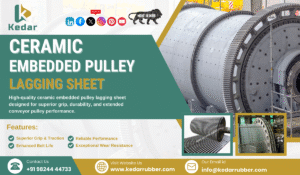
- Ceramic Wear Defence Systems
- Rubber Coating Installations
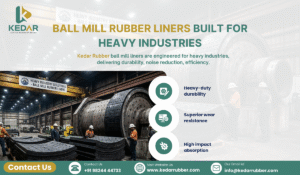
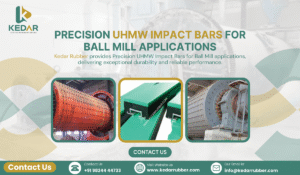
- Ball Mill Rubber Components
- Conveyor Solutions
The firm focuses on engineered wear-defence fixtures, such as defence Split Triangle Plates, customised for specific facility conditions.
Further details can be found at: 👉 https://www.kedarrubber.com/
Conclusion:
In heavy-duty industrial settings, wear defence is not optional—it is fundamental to facility dependability. The Split Triangle Plate performs a vital role in safeguarding high-force and high-abrasion zones across the mining, cement, metal, ceramic, and bulk-handling sectors.
By combining expert material selection, precise manufacturing, and application-specific design, these plates enhance equipment longevity and operational stability.
For facility technicians, procurement units, and project advisors seeking reliable wear solutions, selecting expertly designed Split Triangle Plates directly contributes to safer, more streamlined plant operations.
Key Takeaways
- Split Triangle Plates upgrade wear defence in high-impact spots
- Aid in boosting operational trustworthiness in mining and cement operations
- Suitable for handling large volumes and metal processing industries
- Engineered for sustained performance in abrasive settings
- Relevant across Pan India and worldwide industrial arenas
FAQs
1. What is the usual service duration for a Split Triangle Plate?
- The duration relies on material speed, impact force, and operational hours. In rigorous mining tasks, checking during scheduled service shutdowns is advised to monitor wear depth.
2. Where is the best use case for Split Triangle Plates?
- They excel in chute vertices, transfer points, silo walls, and impact zones where conventional flat pieces might fail.
3. How often should upkeep checks occur?
- Inspection intervals typically align with facility shutdown plans—quarterly or twice yearly, depending on site activities.
4. How do rubber-based plates compare with ceramic wear solutions?
- Rubber absorbs impact effectively, while ceramic provides higher abrasion resistance. Composite systems combine both advantages for balanced performance.
#BallMillRubberLiner #CeramicWearProtection #RubberLining #MiningSolutions #BulkMaterialHandling #ConveyorSolutions #kedarrubberproduct #WearProtection #IndustrialManufacturing