
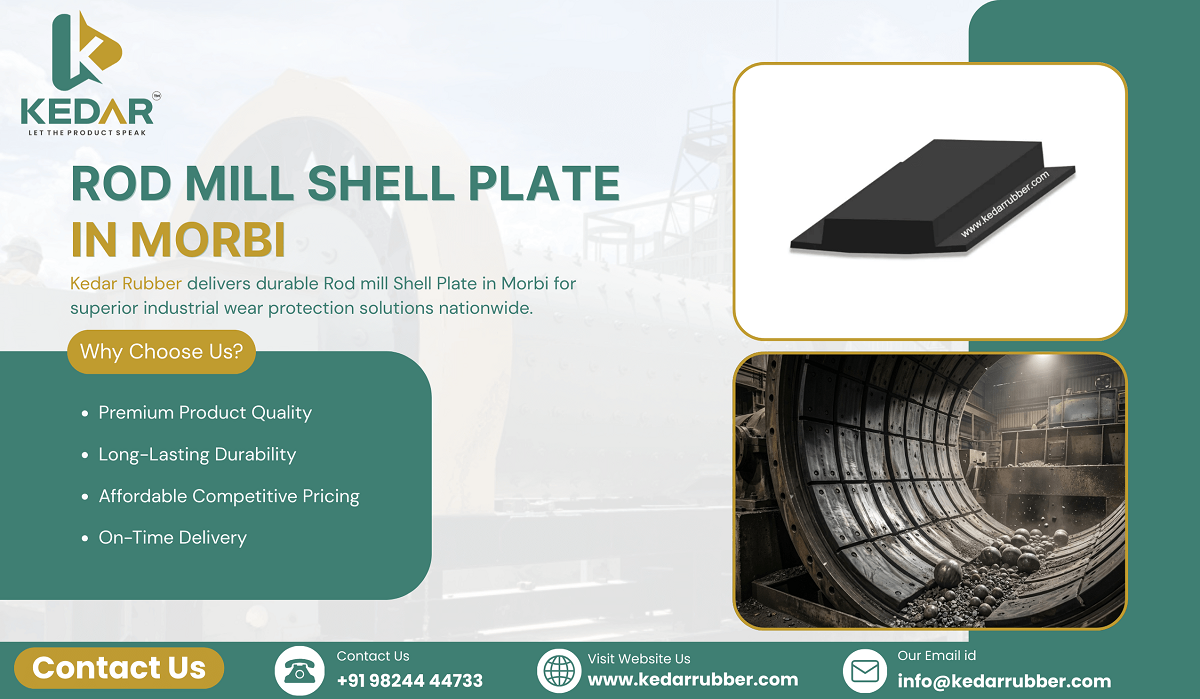
Rod Mill Shell Plate in Morbi: Engineering Reliability for High-Wear Industrial Grinding Environments
Introduction
In industries like mineral extraction, metal refining, cement creation, and pottery production, milling machinery is crucial for turning raw inputs into usable supplies. However, these tasks occur under intense settings with heavy weights, rough particles, and nonstop running. These surroundings bring forth major deterioration difficulties for factory hardware. In pottery making centers like Morbi, Gujarat, where large-scale grinding aids tile output, the need for sturdy Rod Mill Shell Plates in Morbi has increased, helping to safeguard mill frameworks, lessen wear, and promote dependable grinding results in high-capacity facilities.
In tough industrial settings, equipment elements consistently exposed to striking and rubbing require specialized shielding. Without adequate wear-resistant setups, facilities face frequent halts, higher upkeep expenditures, and diminished output effectiveness.
Producers like KEDAR RUBBER PRODUCTS PVT LTD engineer wear defense systems precisely tailored to perform dependably in demanding factory uses.
Industrial Hurdles Fueling Demand for Rod Mill Shell Plates
Industrial grinding systems function under circumstances that impose significant strain on internal mill parts. Seasoned plant supervisors often note that most operational problems stem from wear-related failures rather than mechanical malfunctions.
Rubbing (Abrasion)
Grinding activities involve hard minerals, rock, cement components, and pottery substances constantly moving within turning mills. These substances create severe surface rubbing against interior surfaces.
If not for protective shell plates, the mill structure itself would quickly degrade.
Impact Forces
In rod mills, steel rods acting as grinding aids impact and tumble as the mill rotates. The repeated striking against the mill casing generates high-energy stresses. Over time, this can harm interior surfaces unless suitable defense systems are installed.
Deterioration (Corrosion)
In certain processing environments—especially wet grinding—chemical exposure and dampness can speed up the rusting of metal surfaces.
Shell plates offer an intermediate protective coating that minimizes this hazard.
Production Stoppages
Unscheduled maintenance breaks are among the most costly issues in industrial work. When internal mill parts wear out too fast, the facility must stop making goods for replacement and checking.
Maintenance Expenses
Frequent swapping of worn equipment sections raises labor costs, the need for spare parts stock, and operational interruptions.
Addressing these wear-related problems is vital for sustaining facility performance in mining and metal refinement globally.
Defining a Rod Mill Shell Plate
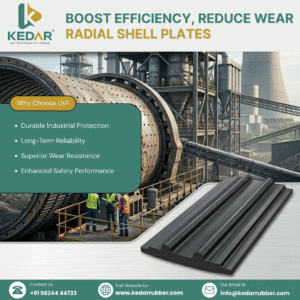
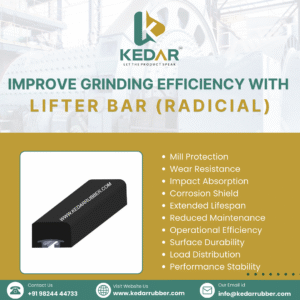
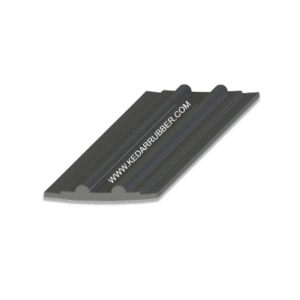
A Rod Mill Shell Plate is a protective inner lining fitted along the circular wall of a rod mill. Its main job is to shield the mill framework from the mechanical and abrasive forces produced during grinding.
Rod mills employ long steel rods as the grinding medium. As the mill revolves, these rods churn and interact with the material being ground. The shell plate absorbs the direct contact and spreads out the forces created by this rotation.
Functionally, the shell plate serves three core roles:
- Shields the mill casing from rubbing and striking force
- Maintains grinding capability by ensuring proper media movement
- Increases the service duration of the grinding apparatus
The selection of material and the configuration of shell plates depend on the operational setting, the properties of the material being processed, and the structure of the mill.
Uses Across Different Sectors
Rod mill shell plates find use in several sectors where grinding and size reduction are essential.
Mineral Extraction Sector
Mining activities utilize rod mills to process ores like iron, copper, gold, and bauxite. Shell plates guard the mill while grinding highly abrasive minerals.
Cement Sector
Cement facilities use grinding equipment to process clinker, limestone, and additives. Shell plates help maintain equipment dependability in high-volume manufacturing settings.
Metal & Steel Sector
In metal refinement plants, grinding systems get raw materials ready for melting and purification steps. The wear-resistant qualities of shell plates support continuous operation.
Pottery Manufacturing
Pottery makers use grinding mills for preparing their raw inputs. Clay, feldspar, quartz, and other substances require controlled grinding before forming and heating stages.
Power Stations
Thermal power plants use grinding systems to crush coal and other materials. Wear-resistant sections reduce equipment damage in these high-throughput activities.
Bulk Stuff Handling
Industries focused on moving large volumes of material—like ports, mineral processing sites, and industrial processing units—use grinding machinery as part of their material readiness workflows.
Material Science & Engineering Aspects
How well rod mill shell plates perform greatly relies on the material characteristics utilized in their making.
Producers with extensive industry background recognize that the correct material mix significantly impacts both wear resistance and operational dependability.
Rubber Characteristics
Rubber is broadly employed in wear protection setups because of several mechanical benefits:
- High flexibility
- Capacity to absorb impacts
- Resistance to abrasive wear
- Sound dampening during use
Linings made of rubber also assist in spreading mechanical strain more evenly across surfaces.
Ceramic Firmness
In particular environments with intense surface friction, ceramic substances might be used alongside rubber systems. Ceramics provide exceptionally high hardness and defense against sliding abrasion.
Wear Resistance Tenets
Resistance to wear hinges on several factors:
- Material firmness
- Ability to bounce back elastically
- How the surface interacts with abrasive debris
- How loads are spread out
Properly designed shell plates balance these qualities to handle both impulse and rubbing action.
Shock Absorption
Grinding tasks create dynamic forces. Rubber-based parts help soak up the shock loads caused by tumbling rods and materials, safeguarding the underlying mill structure.
Design & Custom-Fit Needs
Industrial equipment rarely performs under the same conditions. Consequently, rod mill shell plates are often tailored based on the unique needs of a facility.
Key design elements include:
- Mill measurements (diameter and span)
- Rod dimensions and grinding media arrangement
- Material properties
- Operating speed and load severity
Custom sizing ensures a proper fit and peak performance. Engineers usually examine mill blueprints and operational circumstances before suggesting suitable shell plate setups.
Manufacturing Quality & Process Checks
Precise manufacturing is critical for parts used in weighty industrial machinery.
Manufacturing steps commonly involve:
- Careful raw material selection
- Shaping and forming procedures
- Checking for exact dimensions
- Confirming bond strength
- Testing mechanical attributes
Consistency across production batches is especially important for components subjected to repeated mechanical strain.
Manufacturers prioritizing quality employ strict inspection routines to guarantee every part meets industrial performance expectations.
Setup & Servicing Considerations
For plant floor tasks, a straightforward setup is an important aspect.
Smartly designed shell panels enable servicing crews to fit or swap out linings effectively during planned downtimes.
Typical setup points include:
- Pre-configured bolt layouts
- Correct positioning during fitting
- Tightening specifications for securing devices
Frequent checks assist servicing teams in spotting wear patterns and organizing replacements prior to failures happening.
Safety & Operational Dependability
Equipment soundness is closely linked to workplace safety in industry.
Shell panels aid safety by:
- Shielding the mill’s structural elements
- Minimizing sudden liner malfunctions
- Sustaining steady grinding performance
Dependable wear guarding assists in Ball Mill Rubber Liners, Combo Liner And Abrasion creating safer work areas for servicing staff and plant personnel.
Value Over Equipment Lifetime
Procurement specialists and facility engineers frequently assess industrial parts based on their enduring effect rather than their upfront expense.
Shell panels contribute to better value in numerous ways:
- Lengthening machine service life
- Decreasing how often servicing needed
- Preventing damage to mill structures
- Upholding steady production output
Across the service duration of grinding machinery, robust wear-resistant parts help lower operational halts and upkeep complexity.
Readiness for Export & Universal Acceptance
Industrial buyers in worldwide arenas anticipate suppliers to adhere to certain benchmarks concerning build excellence, paperwork, and technical aid.
Producers set for export typically furnish:
- Substance specifications
- Records of quality assessment
- Paperwork confirming dimensions
- Application direction
Global purchasers in resource regions such as Australia, Africa, and South America often favor suppliers with proven engineering skills and uniform production methods.
The Importance of Seasoned Producers
Crafting wear defense parts demands specialized design competence and sector familiarity.
Manufacturers with extended sector involvement grasp:
- The workings inside grinding mills
- How substances behave in abrasive settings
- Fitting needs at industrial sites
Seasoned manufacturers also keep in close contact with facility engineers to consistently enhance product designs.
Stable supply chains and uniform item quality are vital for sustaining confidence in industrial alliances.
Regarding KEDAR RUBBER PRODUCTS PVT LTD
KEDAR RUBBER PRODUCTS PVT LTD stands as an experienced maker focused on industrial wear defense and rubber engineering remedies.
The firm backs sectors like mining, cement, metal fabrication, and bulk material handling with products such as:
- Rubber Linings for Ball Mills
- Rubber Cladding Systems
- Ceramic Wear Defense Options
- Rubber Components for Ball Mills
- Conveyor Systems
With a broad background supporting industrial clientele throughout India and overseas, the firm centers on design-led manufacturing and solutions tailored to specific uses.
Further details are accessible at:👉 https://www.kedarrubber.com/
Summary
Rod mill shell panels serve a vital purpose in shielding grinding apparatus from the severe eroding and impact forces found in industrial processing settings.
In high-demand sectors like mining, cement production, and metal working, effective wear defense directly supports facility dependability and operational effectiveness.
By merging sound design principles, suitable substance choices, and high-quality production methods, shell panels help prolong machine life while reducing service interruptions.
For facility engineers and operations groups, selecting trustworthy wear defense elements is a key aspect of sustaining consistent and effective industrial workflows.
Main Points
- Rod mill shell plates guard the grinding gear against wear and shock
- Crucial for mining, cement, metal, ceramic, and bulk material sectors
- The right material choice boosts wear tolerance and gear longevity
- Designed structure supports dependable mill activity
- Effective wear guarding enhances long-term facility performance
Trending FAQs
1. What is the typical lifespan of a rod mill shell plate?
- The lifespan depends on operating conditions such as material abrasiveness, mill speed, and grinding load. In well-maintained systems, shell plates can operate effectively for extended production cycles before replacement.
2. Which industries commonly use rod mill shell plates?
- Rod mill shell plates are widely used in mining operations, cement plants, metal processing units, ceramic manufacturing facilities, and bulk material handling systems.
3. How often should shell plates be inspected?
- Experienced plant engineers often recommend inspecting mill liners during scheduled maintenance shutdowns to monitor wear patterns and ensure continued operational safety.
4. What is the difference between rubber and ceramic wear protection systems?
- Rubber systems are effective for absorbing impact loads, while ceramic systems provide extremely high abrasion resistance.
5. Are rod mill shell plates customized for each mill?
- Yes. Shell plates are typically designed according to mill dimensions, grinding media configuration, and operating conditions.
#BallMillRubberLiner #CeramicWearProtection #RubberLining #MiningSolutions #BulkMaterialHandling #ConveyorSolutions #kedarrubberproduct #WearProtection #IndustrialManufacturing