
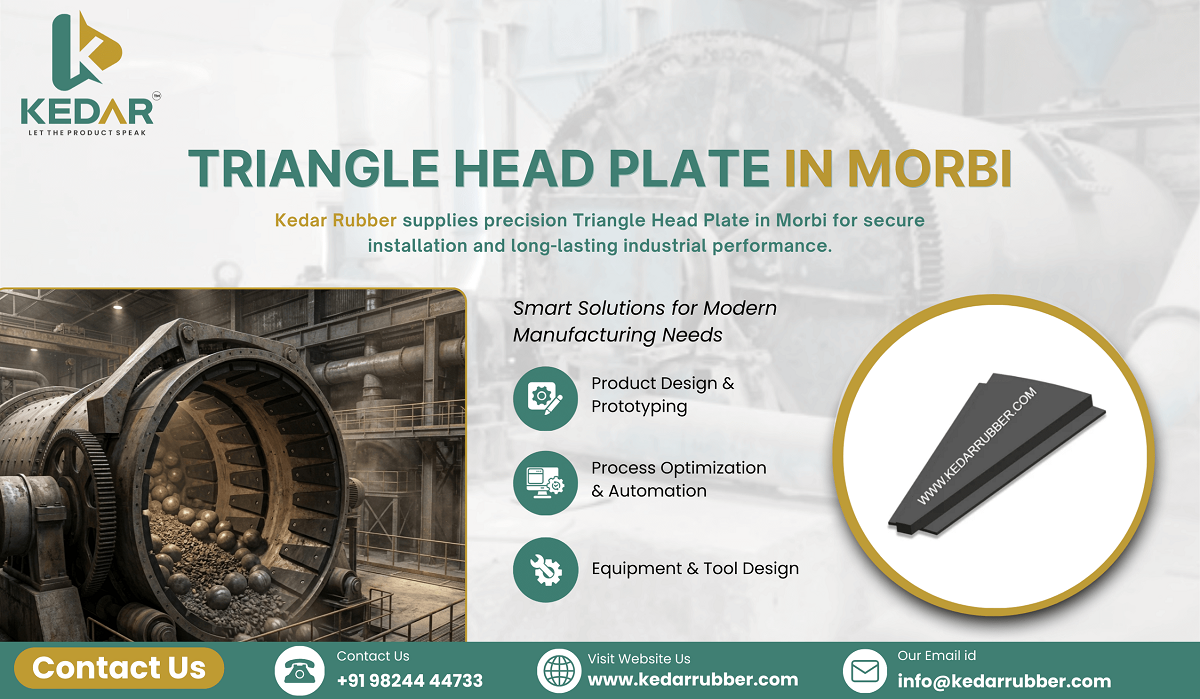
Triangle Head Plate: A Critical Wear Protection Component for Modern Industrial Operations
Introduction
In industries like mining, cement, metal making, ceramics, and handling large volumes of material, machinery faces incredibly tough operating circumstances. Rough materials, heavy blows, corrosive settings, and non-stop running put significant strain on machine parts. Site engineers and maintenance crews always need to find a balance between how long equipment lasts and how well it runs. In pottery making centers such as Morbi, parts meant to resist wear, like the Triangle Head Plate in Morbi, are very important for safeguarding machine surfaces and keeping production reliable in areas with a lot of friction.
Throughout manufacturing sites across India – from mineral processing areas in Rajasthan, cement factories in Chhattisgarh, steel mills in Jharkhand, ceramic hubs in Gujarat, to coal-fired power stations in Odisha – keeping wear protection effective and equipment dependable are top concerns. When equipment pieces break down early, production lines slow or stop, leading to unexpected halts, higher repair expenses, and less efficient operations.
Industrial producers like KEDAR RUBBER PRODUCTS PVT LTD focus on creating wear-resistant rubber and ceramic solutions – including Ball Mill Rubber Liners, Ceramic Wear Protection Systems, Rubber Lining Systems, and Conveyor Solutions – built for difficult factory settings all over India.
Industrial Hurdles Increasing the Need for Triangle Head Plates
Factories dealing with minerals, aggregates, cement clinker, ore, or raw ceramic materials operate under severe physical stress. Savvy plant engineers often see that wear-related malfunctions happen in expected places where materials constantly hit or slide.
Friction from Bulk Materials
In mining and metal operations, substances like iron ore, bauxite, limestone, sand, and coal travel through troughs, mills, and conveyors. These materials are often highly abrasive. Constant contact with metal surfaces results in slow erosion.
Heavy Impact Forces
Spots where materials drop frequently endure strong impacts. Large chunks of ore or clinker hitting machine surfaces create repeated stress, speeding up wear and potentially warping structural pieces.
Corrosion in Harsh Settings
Moisture, chemical reactions, and acidic elements found in minerals can cause metal equipment to corrode. Corrosion, along with friction, hastens equipment breakdown.
Unexpected Stoppages
Machine failures due to excessive wear often cause unforeseen shutdowns. Even small problems with wear protection parts can disrupt entire production sequences.
Repair Expenses
Having to swap out worn parts frequently ups maintenance costs and requires having skilled workers available during downtime.
In such conditions, wear protection pieces like the Triangle Head Plate become vital for safeguarding machinery and ensuring steady plant performance.
What Exactly Is a Triangle Head Plate?
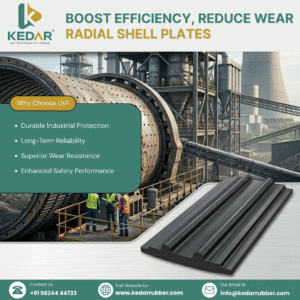
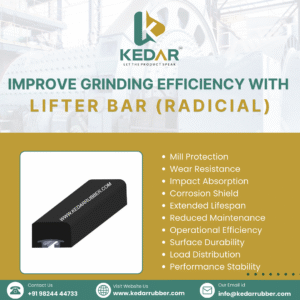
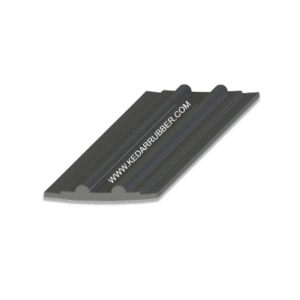
A Triangle Head Plate is a specially made part designed to resist wear, usually fitted within equipment linings, grinding mills, chutes, and machinery that moves large amounts of material. Its triangular shape helps spread out impact forces better while offering a secure way to attach it.
The build of a Triangle Head Plate typically includes:
- A strong rubber or composite body
- A triangular top section for secure mounting
- A hard outer surface that takes the brunt of friction and impact
In many uses, the triangular top design helps lock the plate firmly into lining setups or structural supports. This shape makes sure the plate stays in place even with constant shaking, impacts, and heavy material flow.
Uses Across Different Sectors
Triangle Head Plates are employed across several industry types where protecting against wear and absorbing shock are crucial.
Mining Sector
Mining activities involve the constant movement of materials that cause friction. Triangle Head Plates are used in:
- Grinding mills
- Ore chutes
- Transfer spots
- Material transport systems
Their ability to absorb shock helps shield the structures underneath from wear.
Cement Factories
Cement production plants handle clinker, limestone, gypsum, and other materials that cause friction. In these plants, Triangle Head Plates might be found in:
- Mill lining assemblies
- Material discharge chutes
- Clinker handling systems
- Metal & Steel Facilities
In steel plants processing iron ore and slag, material handling equipment constantly faces rubbing. Wear protection parts help prolong equipment life in these settings.
Ceramic Manufacturing
The ceramics industry – particularly in hubs like Morbi (Gujarat) and nearby areas – deals with silica, feldspar, and clay. These materials can cause significant wear on processing machines.
Power Plants
Coal-fired power stations use systems to move coal and ash. Wear-resistant parts like Triangle Head Plates help maintain equipment toughness.
Bulk Material Handling Sites
Ports, storage yards, and commercial conveyor networks rely on wear protection components to keep material moving smoothly.
Material Science & Engineering Aspects
How well wear protection parts perform largely hinges on the engineering behind their materials. Producers with long experience in the field understand that picking the correct material mix is key to being dependable.
Rubber Qualities
The industrial rubber used in wear protection systems provides:
- Strong shock absorption
- Flexibility under load
- Resistance to tearing
- Vibration dampening
These features help shield equipment from sudden impacts.
Ceramic Toughness
In situations with extreme friction, ceramic materials are sometimes incorporated into wear protection setups due to their very high hardness.
Ceramic wear protection elements offer:
- Excellent defense against sliding friction
- Stability in hot conditions
- A long functional life in mineral handling systems
- Wear Resistance Principles
Wear happens through several processes:
- Sliding abrasion
- Impact abrasion
- Erosion
- Wear is accelerated by corrosion
An effective wear protection design factors in these mechanisms and chooses materials accordingly.
Shock Absorption
Rubber-based parts are often favored in areas with high impact because they can soak up energy without cracking.
Design & Tailoring Needs
Industrial machinery differs greatly in size, shape, and how it operates. Because of this, wear protection pieces like Triangle Head Plates often need to be custom-made.
Design aspects to consider include:
- Compatibility with existing equipment
- Plate thickness and strengthening
- Fastening methods
- The material makeup
In large manufacturing sites, plant engineers and Fixing Hardware, Great Plate And Discharge Lifter Bar project advisors usually work with manufacturers to develop solutions specific to the application.
Production Quality & Process Oversight
The dependability of heavy-duty industrial parts hinges greatly on production exactness and quality checks.
A solid production flow generally includes:
- Precise mold drafting
- Regulated elastomer mingling
- Accurate vulcanization stages
- Size verification
- Material characteristic assaying
Consistency across production runs is vital, especially for elements fitted into large machinery where performance uniformity is needed.
Fitting & Servicing Notes
Simplicity of mounting assists in cutting down facility idleness.
Triangle Head Plates are frequently shaped to permit:
- Firm mechanical anchoring
- Uncomplicated exchange during outages
- Suitability with the current covering setups
Regular assessment schedules enable facility technicians to monitor deterioration levels and plan renewals prior to failures taking place.
Safety & Functional Dependability
Protection is a primary concern in intense industrial settings.
Competently conceived wear defense elements add to:
- Diminished equipment failure hazard
- Lesser probability of material spills
- Shielding of vital structural surfaces
Trustworthy equipment output enhances working conditions for service crews and lessens operational risks.
Value Effectiveness Across Equipment Lifespan
From a total lifecycle viewpoint, wear defense parts hold significance in cost administration.
Advantages frequently comprise:
- Infrequent equipment mends
- Reduced service outage duration
- Prolonged life of major machine sections
Seasoned facility personnel often assess wear defense answers based on lasting operational trustworthiness instead of immediate cost factors.
Export Readiness & Worldwide Acknowledgment
Industrial buyers globally anticipate producers to adhere to rigorous quality and paperwork methods.
Producers prepared for export must demonstrate:
- Uniform production routines
- Material lineage tracking
- Technical documentation sets
- Adherence to industry benchmarks
Global sectors—like extraction operations in Australia, metal processing centers in Southeast Asia, and concrete factories in the Middle East—demand dependable wear defense items meeting international benchmarks.
The Importance of Skilled Producers
Wear defense assemblies might seem straightforward, but their planning and production demand deep industrial proficiency.
Producers with ample sector background comprehend:
- Actual field conditions inside facilities
- Machine compatibility necessities
- Limits in material performance
- Considerations for enduring dependability
Design proficiency coupled with production skill guarantees that components function dependably in demanding industrial settings.
Introducing KEDAR RUBBER PRODUCTS PVT LTD
KEDAR RUBBER PRODUCTS PVT LTD is a seasoned industrial fabricator specializing in wear defense and rubber engineering remedies for major industries.
The firm supplies a selection of provisions such as:
- Mill Rubber Linings for Ball Mills
- Ceramic Wear Defense Options
- Rubber Encapsulation Systems
- Rubber Mill Components for Ball Mills
- Conveyor Framework Elements
These remedies see application across sectors like extraction, cement production, ceramics, power generation, and bulk material transport. With a record of serving industrial clientele throughout India and global arenas, the enterprise centers on engineering dependability and production tailored to specific uses.
Further particulars on their industrial remedies can be accessed at: 👉 https://www.kedarrubber.com/
Summary
In contemporary industrial settings where machinery operates continually under abrasive and high-force circumstances, wear defense solutions feature prominently in upholding operational dependability.
The Triangle Head Plate stands as one specific, specialized piece engineered to safeguard machinery exteriors, absorb sudden forces, and lengthen the useful period of crucial apparatus.
When correctly drafted and fabricated, these parts foster improved facility throughput, diminished idleness, and optimized servicing schedules for sectors such as mining, cement, metals, ceramics, and bulk material movement. Dependable wear defense systems signify a crucial investment in sustained operational performance.
Core Points
- Triangle Head Plates aid in shielding industrial apparatus from scraping and impact.
- Wear defense parts boost functional trustworthiness in heavy industries.
- Suitable for mining, cement, metal, ceramic, and power station arenas.
- Appropriate material design elevates long-term results.
- Bespoke shaping guarantees fit with differing industrial machinery.
Trending FAQs
1. What is the typical lifespan of a Triangle Head Plate in industrial applications?
- The lifespan depends on material composition, abrasion levels, and operating conditions. In high-wear environments, periodic inspection helps determine replacement intervals.
2. Where are Triangle Head Plates commonly used?
- They are typically used in grinding mills, chutes, conveyors, and bulk material handling systems in industries such as mining, cement, and metal processing.
3. How often should wear protection components be inspected?
- Experienced plant engineers generally recommend routine inspection during scheduled maintenance shutdowns to monitor wear patterns.
4. What is the difference between rubber and ceramic wear protection systems?
- Rubber offers excellent impact absorption, while ceramic materials provide higher resistance to sliding abrasion. Many systems combine both materials for balanced performance.
5. Are Triangle Head Plates suitable for high-impact environments?
- Yes, when engineered with appropriate materials and design reinforcement, they are commonly used in areas exposed to heavy material impact.
#BallMillRubberLiner #CeramicWearProtection #RubberLining #MiningSolutions #BulkMaterialHandling #ConveyorSolutions #kedarrubberproduct #WearProtection #IndustrialManufacturing