
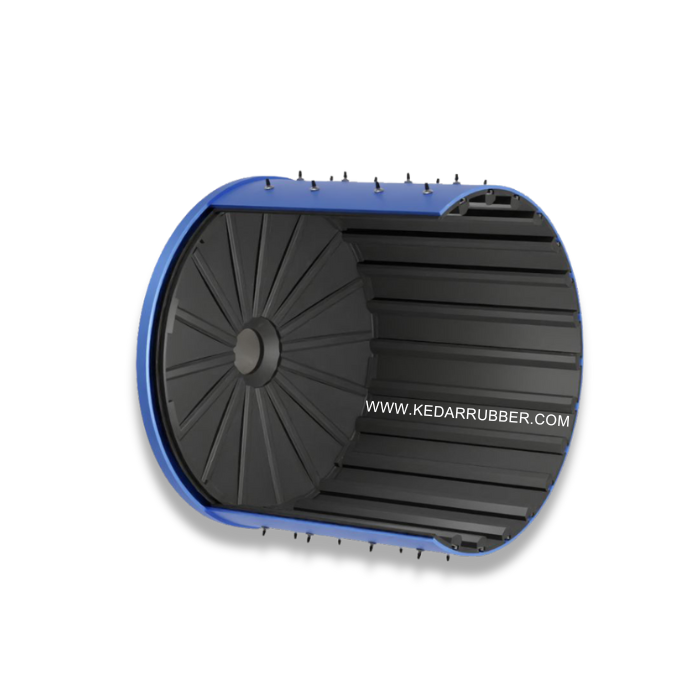
Custom Ball Mill Rubber Liner: Practical Guidance for Longer Mill Life and Lower Downtime
A well-designed ball mill liner does more than protect the shell. It affects grinding efficiency, shutdown frequency, worker safety, and even shop-floor noise. For plants in Ahmedabad, Mumbai, Pune, Hyderabad, and other heavy industrial belts, the real value of a custom liner comes from fit, compound selection, and predictable service life. If you are reviewing replacement options, start with the product details here: Custom Ball Mill Rubber Liners. Many maintenance teams looking for ball mill rubber liner manufacturers near me are not only comparing price; they are trying to reduce repeat stoppages and avoid poor-fit liners that fail early.
Why Choose Kedar Rubber for Custom Ball Mill Rubber Liner
The practical reason many plant teams shortlist a specialist is simple: mills do not forgive guesswork. Kedar Rubber Products Pvt. Ltd. has over 25 years of experience in industrial rubber engineering, with operations led by Mr. Sandip Trivedi and a skilled team of rubber technology experts. The company has delivered custom solutions to 200+ clients, completed 30+ major projects, and received 5+ industry awards. In day-to-day plant terms, that experience matters when the liner has to match mill diameter, feed characteristics, impact zones, bolt pattern, and maintenance schedule.
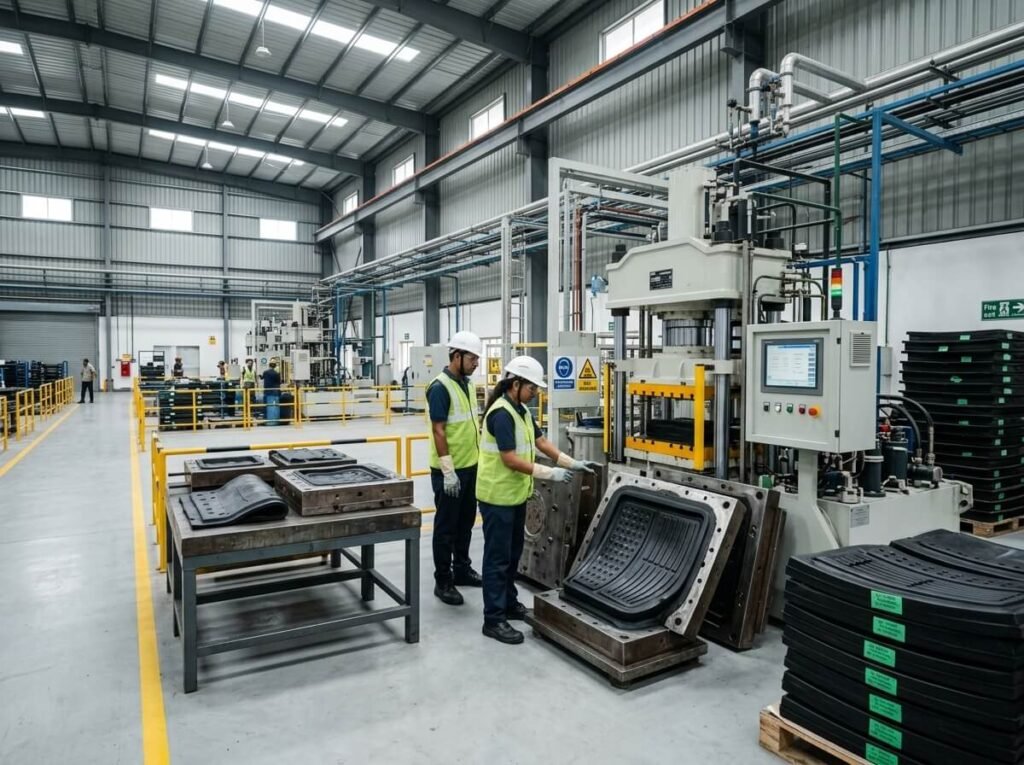
Yes, we provide solutions that are built around actual mill conditions rather than catalog assumptions. That matters whether the application is a mining rubber liner for ore grinding, a cement mill liner for clinker processing, or a general-purpose rubber mill liner India buyers need for lower noise and easier handling. In several Indian plants, especially older units around Delhi, Jaipur, and Kolkata, one recurring issue is that steel liners increase handling difficulty during shutdowns. A properly engineered rubber system can be 65-75% lighter than steel and can support up to 70% noise reduction in many operating conditions.
For buyers searching for rubber liner manufacturers in Ahmedabad, location is only one part of the decision. What usually matters more is whether the supplier can customize profile design, hardness, wear thickness, and reinforcement for the real duty cycle. That is where custom rubber liner India requirements become highly specific and highly technical.
A quick example from a cement unit near Surat: the maintenance head did not want a “standard liner.” He wanted a layout that could stretch shutdown intervals by even a few weeks because labour planning was becoming harder every quarter. That is the kind of plant-level problem an experienced team understands immediately. You can also review the company background here: Kedar Rubber Home.
Our Custom Ball Mill Rubber Liner Manufacturing Capabilities
Here’s how Kedar Rubber approaches manufacturing: first with mill data, then with compound logic, and only then with production. That sequence is important. A liner that looks fine on paper can still wear unevenly if the feed size, slurry behaviour, impact point, or lifting pattern has not been studied properly.
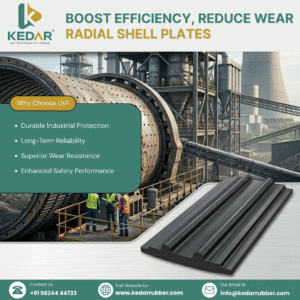
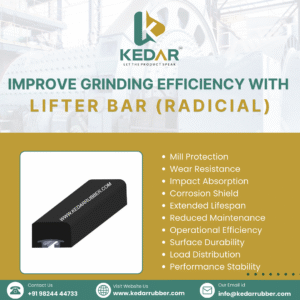
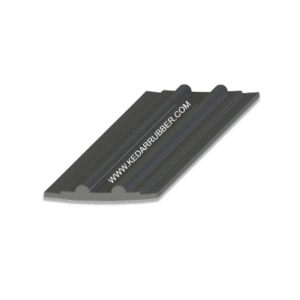
The manufacturing capability includes custom design for shell liners, lifter bars, feed end liners, discharge end liners, and supporting components. Related parts such as Triangle Head Plate Liner and Center Circle are also important in many assemblies because mismatch between main liner and supporting components often causes installation issues.
Yes, we provide custom molded rubber products for mills where standard dimensions do not deliver stable performance. This includes design support for an wear resistant rubber liner, an abrasion resistant rubber liner, and a noise reduction rubber liner based on operating conditions. In practical terms, one mining unit in Chandigarh-linked procurement had a problem where local replacement parts were dimensionally close, but not exact. Installation took longer, bolt seating was inconsistent, and wear started early at edge zones. That is a common hidden cost in low-detail sourcing.
The best liner systems are usually the ones you stop thinking about after installation because they simply run. A plant in Bangalore using a custom profile for a secondary grinding mill reported smoother liner handling during shutdown and less worker fatigue during fitment. Another unit in Chennai focused more on acoustic improvement because machine noise near the mill section had become a safety and compliance concern. In both cases, customization mattered more than generic price comparison.
For technical reading on liner engineering, these pages are useful:
- How Rubber Liners Transform Ball Mill Grinding
- Advanced Triangle Head Plate for Ball Mill Rubber Liner
Navigating Quality Standards & ISO 9001:2015 Certification
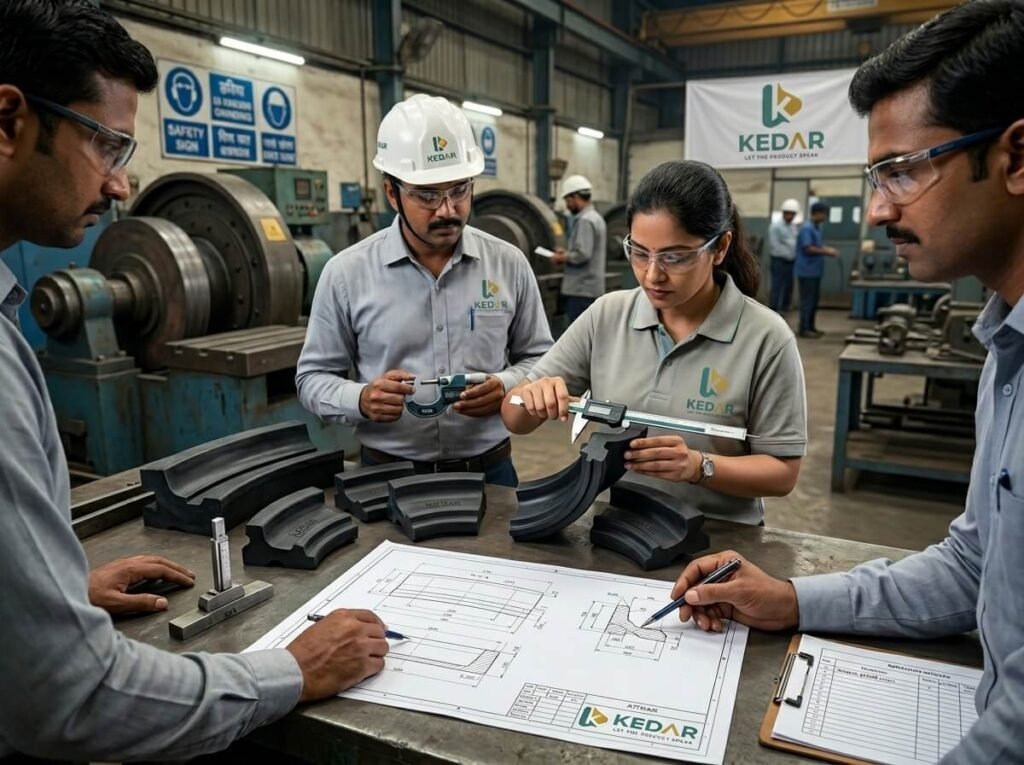
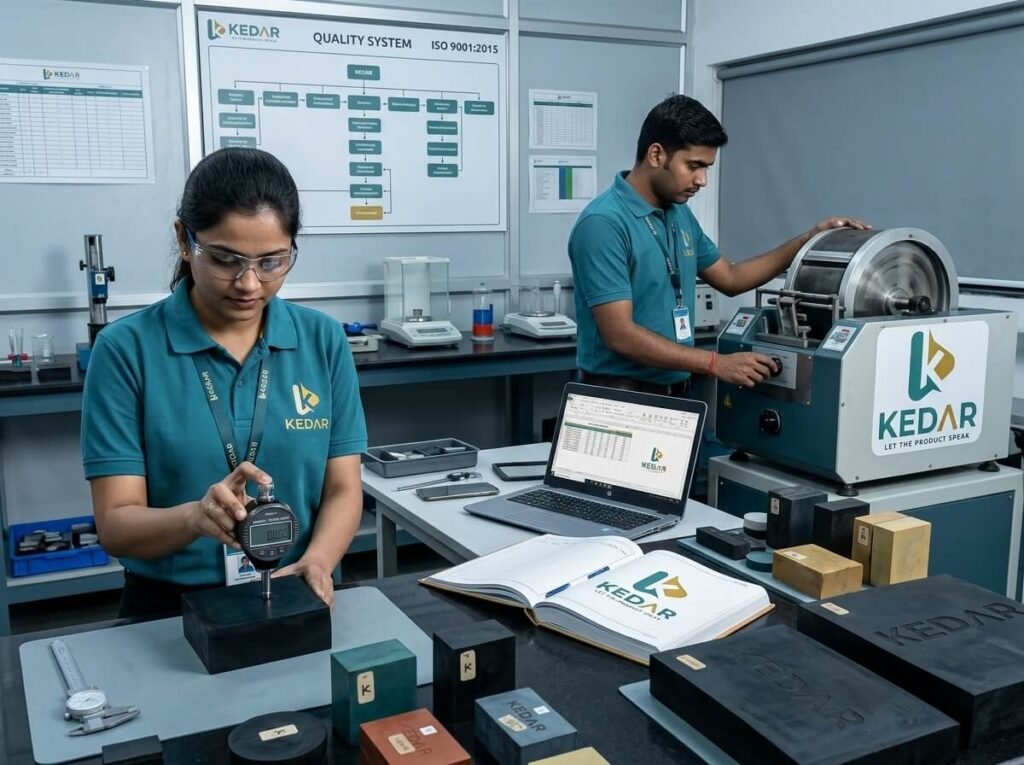
The best answer to “How do I judge liner quality before failure data is available?” is to look at process discipline. Kedar Rubber is an ISO 9001:2015 Certified Company, and that matters because quality in rubber liner manufacturing is not only about final appearance. It depends on raw material control, batch consistency, curing accuracy, dimensional inspection, documentation, and traceability.
ISO 9001:2015 standards are widely used across industries to strengthen process control and continual improvement. In rubber component manufacturing, this translates into fewer avoidable variations between batches. For a plant manager in Indore or Vadodara, that means more confidence that repeat orders will behave like the original approved lot.
A mini success story explains this well. An anonymized cement customer from Hyderabad had been replacing liners more often than expected. The issue was not only wear; it was variation in fit and performance across procurement cycles from mixed vendors. After moving to a documented specification route with one supplier, the plant reported more predictable liner life and easier shutdown planning. Not dramatic marketing numbers. Just fewer unpleasant surprises, which is what most maintenance teams actually want.
You can read more application-focused insights here: Ball Mill Rubber Liners Built for Heavy Industries.
Local Manufacturers vs Kedar Rubber
Procurement teams usually evaluate Kedar Rubber against general local vendors when they compare commercial and technical fit.
| Comparison Point | General Local Manufacturer | Kedar Rubber Products Pvt. Ltd. |
|---|---|---|
| Customization Depth | Often limited to standard sizes | Designed as per mill specifications and operating conditions |
| Experience Base | Varies widely | Over 25 years in industrial rubber solutions |
| Quality System | May or may not be documented | ISO 9001:2015 certified process framework |
| Wear and Noise Focus | Basic material offering | Longer wear life, impact resistance, and lower operating noise |
| Project Track Record | Often hard to verify | 200+ clients, 30+ major projects, 5+ awards |
| Support for Technical Buyers | Mostly price-based discussions | Consultative approach for mining and cement applications |
If you are comparing Ball Mill Rubber Liner Manufacturers, the more useful question is not “Who is cheapest today?” but “Whose liner will reduce the true cost of downtime?” That is the question procurement teams in Mumbai, Ahmedabad, and Pune are asking more often now.
Get a Quote for [Custom Ball Mill Rubber Liner]
Step-by-Step Process – How We Deliver Custom Ball Mill Rubber Liner
Here’s how Kedar Rubber typically delivers a project from enquiry to dispatch.
First, the team collects mill details: diameter, length, RPM, feed material, application type, existing liner pattern, and pain points such as heavy wear, noise, or fitment delays. This early diagnosis is where many future problems are prevented.
Second, application mapping is done. Engineers evaluate a mining rubber liner differently from a cement mill liner because both applications operate under different conditions.
Impact intensity, abrasion pattern, slurry conditions, and shutdown intervals all affect design decisions.
Third, the design is aligned with manufacturability. A longer life rubber liner is not created only by making it thicker. Profile geometry, rubber compound, and stress distribution matter just as much.
Fourth, production and inspection are carried out under documented quality checks. Fifth, dispatch planning is matched to shutdown schedules. Finally, installation support and follow-up feedback help improve the next cycle.
For direct discussion, site coordination, or a Free Rubber Liner Consultation, use the Contact Us page. Many buyers also ask for a WhatsApp-first response because shutdown decisions move quickly. If you are budgeting a replacement program, ask to Download Ball Mill Liner Cost Guide along with your enquiry.
Real Client Case Study
Yes, we provide case-specific solutions, and one realistic example shows why that matters. An anonymized customer, “Shakti Minerals,” operating a grinding unit supplying processed material to western India, approached the team after repeated liner wear in one chamber of its ball mill. The plant served customers across Ahmedabad, Surat, and Jaipur, so production loss was becoming commercially serious.
The old setup was causing uneven wear, frequent maintenance attention, and high handling effort during shutdown. Engineers reviewed the mill dimensions, feed characteristics, and wear zones and recommended a custom liner layout with revised profile geometry and a compound suited to both impact and abrasion. The objective was not flashy claims; it was stable service.
Within the next operating cycle, the customer reported three useful improvements: better wear distribution, reduced shutdown handling effort because the liner was lighter than steel, and lower mill-side noise noticed by operators on shift. That last point is often ignored until workers mention it repeatedly. In Indian plants, operator feedback still gives some of the best early performance clues.
This is why many buyers searching for Ball Mill Rubber Liner Suppliers India also want technical discussion, not just a quotation sheet. A liner is a running component, not a simple commodity.
FAQs
1. What is a custom ball mill rubber liner?
It is a mill liner designed specifically for your mill size, application, wear pattern, and operating conditions rather than supplied as a generic standard item.
2. How is a rubber liner different from a steel liner?
Rubber liners are generally lighter, easier to handle, quieter in operation, and often preferred where impact and abrasion balance can be managed through compound design.
3. Is a rubber liner suitable for cement and mining applications?
Yes. With the right compound and profile, rubber liners are used in both mining and cement mill liner applications.
4. How do I know if I need customization?
If you face uneven wear, fitment issues, repeated downtime, high noise, or inconsistent liner life, customization is worth evaluating.
5. Does ISO 9001:2015 matter for rubber liner procurement?
Yes. It indicates a documented quality system, which helps improve consistency, traceability, and process control.
6. Can you support plants outside Gujarat?
Yes. Industrial buyers from cities like Delhi, Mumbai, Chennai, Bangalore, Hyderabad, and Kolkata commonly source engineered components across states.
7. What details should I share before asking for a quote?
Share mill dimensions, application type, existing liner drawing or photos, material handled, wear issues, and shutdown timelines.