
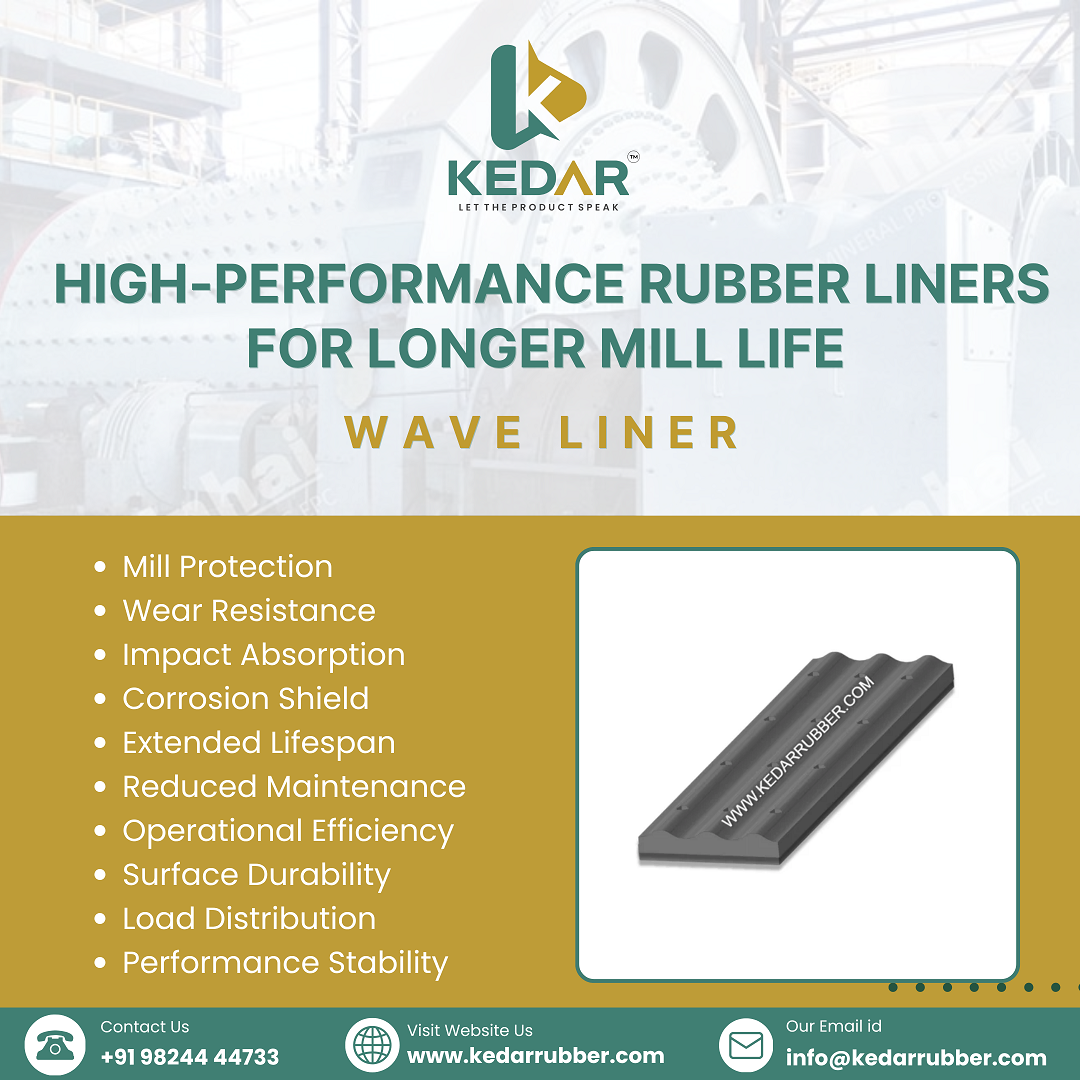
Rubber Mill Liner for Mining Industry: Practical Performance, Longer Wear Life, and Lower Downtime
Mining plants don’t usually lose money because of one big failure. In most Indian operations, the real cost comes from repeated stoppages, liner wear, noise, difficult maintenance access, and unplanned part replacement. That is why many plant teams now evaluate a Rubber Mill Liner for Mining Industry not only on purchase price, but on service life, fitment accuracy, shutdown time, and operator safety. For mines handling hard ore, slurry, and impact-heavy grinding cycles, the right rubber mill liner can reduce maintenance pressure, control noise, and improve liner life without adding unnecessary weight to the mill shell.
For procurement heads in Ahmedabad, maintenance teams in Mumbai, and plant engineers in Hyderabad, the shift from metal-heavy internals to engineered rubber systems is no longer a trend. It is a practical operating decision. In my experience on Indian shop floors, when liner design matches ore characteristics and mill speed correctly, plants usually see smoother shutdown planning and fewer emergency interventions.
Why Choose Kedar Rubber for Rubber Mill Liner for Mining Industry
The answer is simple: mining liners must survive abrasion, impact, slurry flow, and rough handling during shutdowns. Kedar Rubber brings over 25 years of manufacturing experience in engineered rubber components, backed by an ISO 9001:2015 certified process and a team led by Mr. Sandip Trivedi. The company has delivered custom rubber solutions to 200+ clients, completed 30+ major projects, and earned 5+ industry awards.
For mining users, that background matters because liner performance is never one-size-fits-all. Ore type in Jaipur may differ from what a unit in Kolkata processes. A mill handling silica-rich material near Surat will wear differently from one processing cement additives in Chennai. That is where a custom rubber liner Ahmedabad manufacturer with real fabrication depth becomes useful.
If you are comparing wear resistant rubber liners, look beyond brochure claims. Check compound quality, dimensional consistency, bolt seating, rib geometry, and field support. These points decide whether the liner gives longer life or creates another shutdown headache. This is also why many buyers searching for ball mill rubber liner manufacturers now ask more technical questions before raising a PO.
Our Manufacturing Capabilities for Mining Rubber Mill Liners
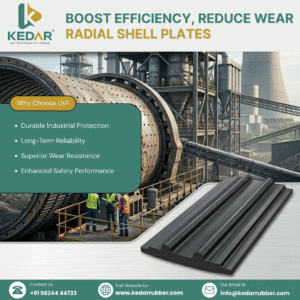
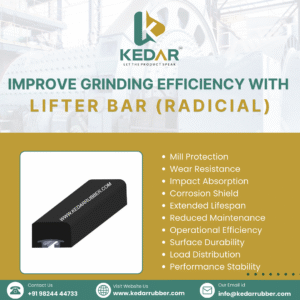
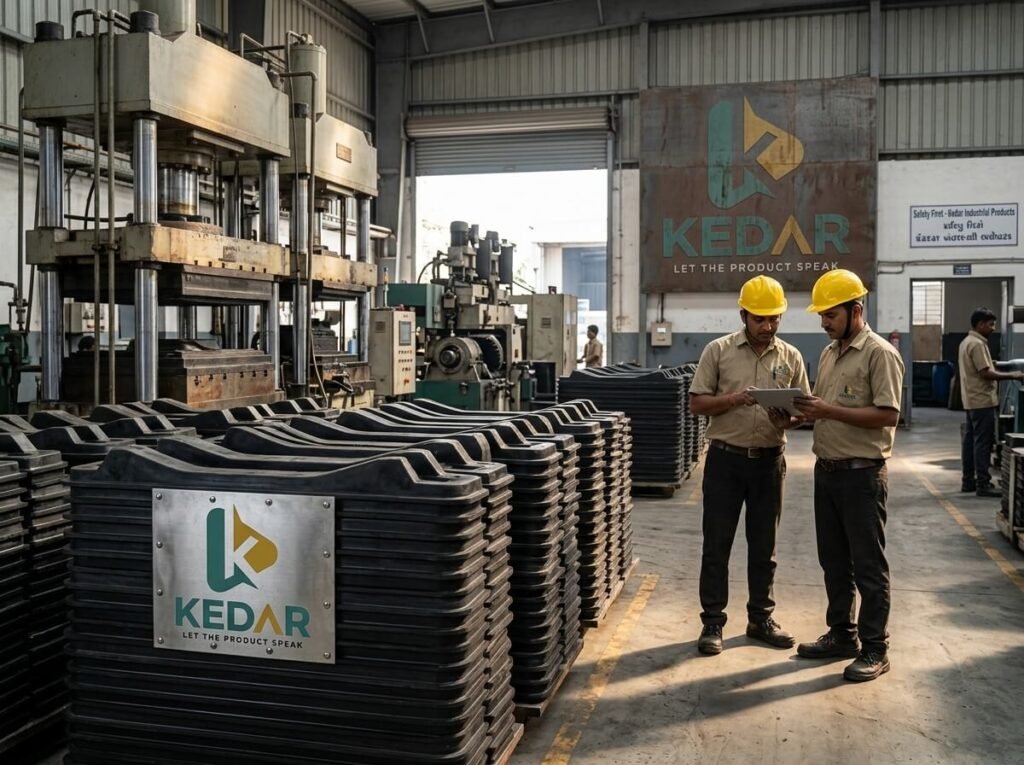
Yes, we provide liner solutions designed around mill conditions, not generic catalog dimensions. A proper mining rubber liner should match feed size, impact zones, pulp behavior, and expected wear pattern. In practical terms, this means the liner geometry must control movement and protect the shell while remaining light enough for faster and safer handling during shutdown.
At the factory in Changodar, Ahmedabad, rubber liners are produced with attention to abrasion resistance, impact handling, and fitment reliability. These systems are useful in mining circuits, grinding mills, and even selected cement mill liner applications where noise and maintenance load become a serious issue. Compared with steel, rubber-based systems can offer up to 70% noise reduction and are often 65-75% lighter, which directly helps maintenance teams during liner change-outs.
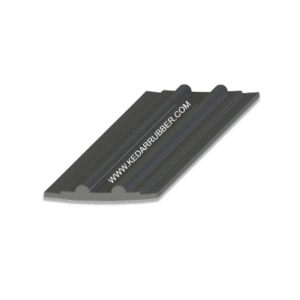
Plants in Bangalore, Pune, and Vadodara often ask whether rubber can handle harsh duty. The practical answer is yes, when the compound and design are chosen correctly. For example, combined liner with rib configurations can improve material movement and wear management in specific mill sections. The goal is not just longer service life, but stable performance across full operating cycles.
A small example from a western India mineral processor explains this well. Their old liner setup caused frequent bolt loosening and high impact wear near the feed end. After shifting to an engineered longer life rubber liner design with better section balancing, their team reported easier maintenance planning and lower shutdown stress over the next service cycle.
Navigating Quality Standards and ISO 9001:2015 Certification
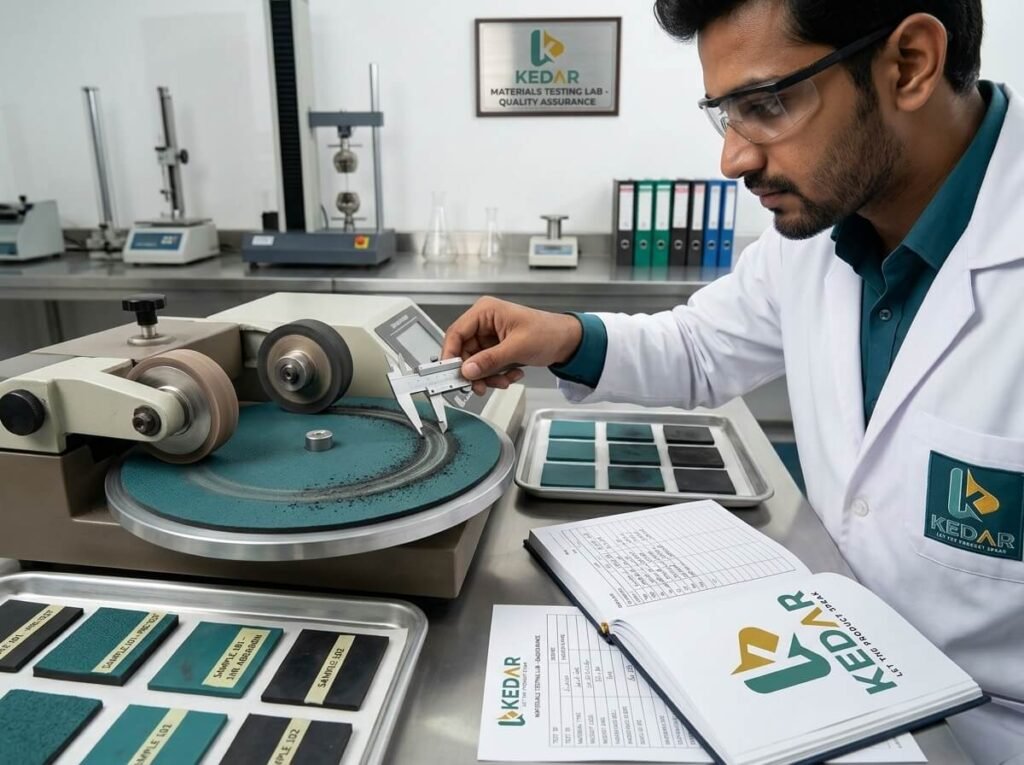
Here’s what serious buyers should check first: quality systems, traceability, and process consistency. ISO 9001:2015 is not just a certificate for display. In liner manufacturing, it supports controlled production, inspection discipline, documented procedures, and better handling of customer specifications. For mining applications, these controls matter because even small dimensional variation can affect fitment and service life.
Kedar Rubber operates as an ISO 9001:2015 Certified Company, which gives procurement teams confidence in process discipline. This is especially relevant when supplying to multi-location industrial clients in Delhi, Indore, or Chandigarh, where technical approval and vendor qualification are often strict. Buyers searching for Rubber Liner Manufacturers in Ahmedabad usually compare not just price, but repeatability and engineering support.
You should also review field relevance. A supplier may make standard molded parts, but mining mills need application-specific design logic. Articles like impact resistant rubber liner in Morbi and reliable impact resistant rubber liner supplier in India reflect the kind of use-case thinking plant teams often look for before finalizing technical discussions.
Midway through your evaluation, this is the practical next step if your drawings or worn samples are ready:
Get a Quote for [Abrasion Resistant Rubber Liner]
Local Manufacturers vs Kedar Rubber
The best comparison is not local versus non-local. It is generic supply versus application-engineered supply. Many buyers first search for nearby vendors because response time matters. That makes sense. But for mill liners, technical mismatch costs far more than delayed dispatch.
| Comparison Point | Typical Local Vendor | Kedar Rubber Products Pvt. Ltd. |
|---|---|---|
| Experience Base | May focus on standard molded parts | Over 25 years in industrial rubber solutions |
| Quality System | Varies by vendor | ISO 9001:2015 certified process |
| Customization | Limited standard sizes | Mill-specific design and custom molded rubber products |
| Weight Advantage | Depends on material choice | 65-75% lighter than steel in many applications |
| Noise Control | Often not optimized | Up to 70% noise reduction potential |
| Project Track Record | May be limited | 200+ clients, 30+ major projects, 5+ awards |
One more point: buyers looking for impact resistant rubber liner in Ahmedabad often need faster coordination between design, production, and dispatch. Being based in Gujarat helps, but engineering clarity matters even more.
Step-by-Step Process: How We Deliver Rubber Mill Liners
Here’s how Kedar Rubber usually approaches a project for mining and grinding applications.
1. Requirement study
The team starts with mill dimensions, operating conditions, material characteristics, and current wear issues. If you are struggling with repeated shell damage or heavy liner handling, start here.
2. Design and compound selection
The liner is matched to abrasion zones, impact load, and expected maintenance cycle. This is where a wear resistant rubber liner performs differently from a generic molded part.
3. Manufacturing and inspection
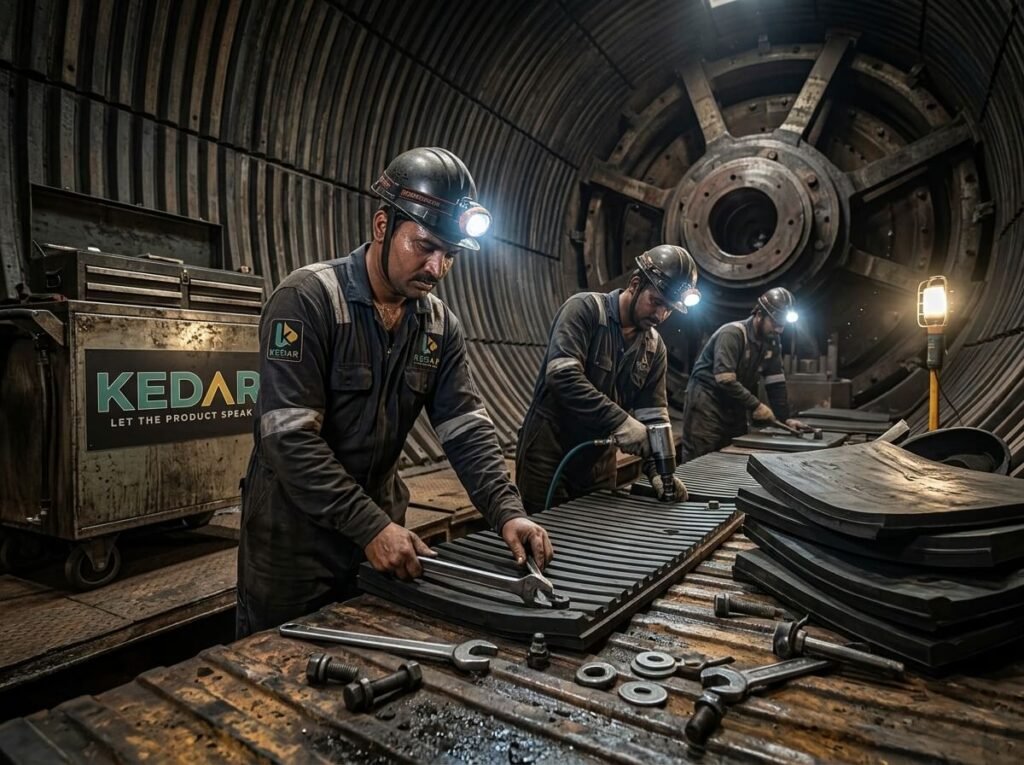
At the Ahmedabad facility, production follows controlled processes with dimensional checks and compound discipline. This is critical for any rubber mill liner India supply requirement.
4. Dispatch planning and fitment support
Plants from Ahmedabad to Mumbai often want predictable shutdown planning. Lighter liners help crews handle installation with less risk and lower effort.
5. Performance review
After installation, actual wear feedback is useful. It helps refine future orders and improve life-cycle value. Buyers searching for Ball Mill Rubber Liner Suppliers India increasingly prefer vendors who stay involved after dispatch, not just before invoicing.
For general product understanding, buyers can also review the Home page and use the Contact page for drawings, WhatsApp coordination, and technical discussion.
Real Client Case Study
A mineral grinding client from western India, which I will call M/s R., was running a ball mill handling abrasive feed with inconsistent particle size. Their existing metallic liner setup created three recurring issues: high shutdown labour, excessive noise near the grinding section, and wear concentration at the feed end.
After technical review, the recommendation was an abrasion resistant rubber liner with application-matched section design. The target was not just replacement, but better maintenance efficiency. Within one operating cycle, the client observed easier liner handling during shutdown, noticeable reduction in operating noise, and more even wear distribution. Their maintenance head’s practical comment stayed with me: “The plant floor became easier to manage because liner change day stopped feeling like a full crisis.”
This kind of result matters more than generic marketing lines. For mining plants, the real test is whether the liner reduces disruption, protects the mill, and supports longer planned operation between major interventions.
FAQs
1. What is a rubber mill liner used for in the mining industry?
A rubber mill liner protects the mill shell from abrasion and impact while helping control material flow, noise, and maintenance effort during grinding operations.
2. Is a rubber liner suitable for hard ore applications?
Yes, it can be, provided the compound and liner design are selected according to ore hardness, impact level, and mill operating conditions.
3. How is a rubber liner better than a steel liner?
In many applications, it is lighter, quieter, easier to handle during shutdowns, and can support better wear life when properly engineered.
4. How long does an abrasion resistant rubber liner last?
Service life depends on ore type, mill speed, feed size, slurry conditions, and design accuracy. There is no single fixed number for every plant.
5. Do you supply custom liners for mining mills?
Yes. Customization is important because feed-end wear, shell geometry, and operating cycles vary from plant to plant.
6. Why do buyers prefer experienced industrial rubber manufacturer Gujarat suppliers?
Because experience helps in compound choice, fitment accuracy, and troubleshooting actual plant issues rather than just selling standard parts.
7. How can I evaluate ball mill rubber liner manufacturers near me?
Check ISO certification, project history, customization ability, technical support, and whether they understand real wear patterns in mining service.