Fixing Hardware in Morbi: A Critical Reliability Component in Heavy-Duty Industrial Wear Protection Systems
In strict industrial settings like mining, metal works, cement production, ceramics plants, and bulk material handling facilities, facilities are constantly battling wear from rubbing, heavy hits, corrosive elements, and nonstop operation. These challenging, harsh conditions accelerate equipment deterioration, lead to more frequent stops, and push up maintenance costs. In busy industrial zones like Morbi, where ceramic production and material movement run around the clock, Fixing Hardware in Morbi is vital for firmly attaching wear-defence systems and maintaining plant operations steady, safe, and dependable over extended service periods.
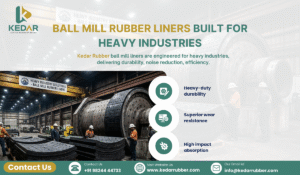
Seasoned plant engineers commonly note that while main wear defence setups—like rubber liners for ball mills, ceramic wear defences, rubber lining setups, and conveyor systems—get a lot of design focus, how well these setups work also heavily relies on a less obvious but crucial part: Fixing Hardware.
Global industry demand trends point to a growing emphasis on equipment dependability, reduced lifecycle costs, and safer maintenance methods. Throughout India—from mining belts in Odisha and Jharkhand to ceramic hubs in Gujarat and cement works in Rajasthan—industrial users are looking more closely not just at wear materials, but also at how firmly and reliably they are installed and maintained during use.
Fixing Hardware plays a key role in making sure wear defence systems function as intended throughout their working life.
Industrial Hurdles Driving Need for Fixing Hardware
In mining and metal processing, equipment surfaces are subjected to aggressive material flow, falling chunks, and vibration. These situations bring several problems that directly affect fixing systems:
- Abrasion: Constant sliding and grinding action can loosen poorly designed fasteners over time.
- Impact Forces: Sudden material drops create shock forces that travel straight to liner bolts and anchors.
- Corrosion: Moisture, slurry chemicals, and temperature shifts speed up fastener breakdown.
- Downtime Threats: When Hardware repairs fail, it often leads to liner shifts, causing unexpected shutdowns.
- Maintenance Expenses: Frequent swaps of broken parts add to labour and spare parts use.
These issues aren’t limited to just one area. Similar problems are seen in mining centres worldwide, cement transportation routes, and bulk-handling terminals, highlighting the need for robust, targeted fixing solutions.
What Is Fixing Hardware?
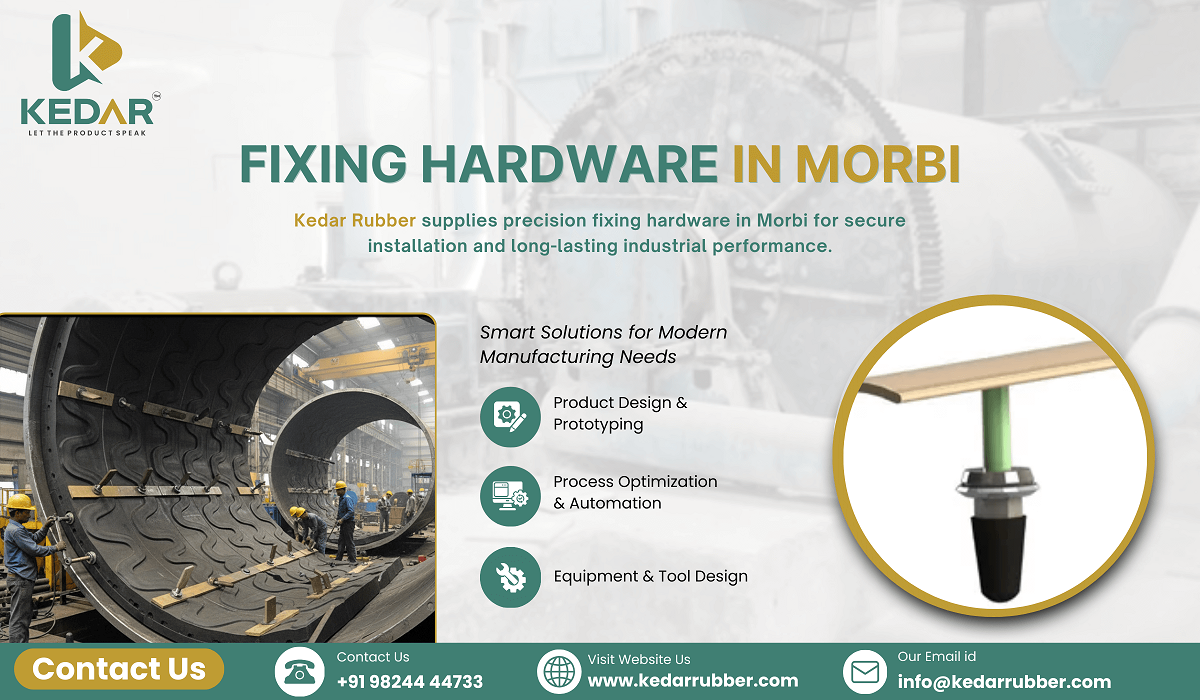
Fixing Hardware refers to engineered mechanical parts used to firmly attach wear protection systems to the surfaces of industrial equipment.
These usually include:
- Liner bolts and nuts
- Backing plates
- Washers and parts that spread the load
- Fastening systems embedded for use with rubber or ceramic materials
From an industrial viewpoint, fixing Hardware isn’t just any screw or bolt. It must be made to work with rubber liners, ceramic tiles, and composite wear systems—taking loads, allowing for movement, and keeping tightness under changing use.
Its main job is to hold things steady and in place, not to boost performance. When designed right, it lets the wear material do its intended protective job without failing too soon.
Uses Across Different Industries
Fixing Hardware is used anywhere where protection systems are installed:
- Mining: In ball mills, chutes, hoppers, and slurry pipes, fixing Hardware secures rubber liners and ceramic tiles against shaking and impact.
- Cement Plants: Used in raw mills, coal mills, clinker handling spots, and transfer points where rubbing and heat are present together.
- Metal & Steel: Applied in sinter plants, ore moving conveyors, and material transfer systems facing heavy impacts.
- Ceramic Manufacturing: Vital in spray dryers, cyclones, and material flow paths within ceramic clusters like Morbi and Surendranagar.
- Power Plants: Used in coal handling setups, ash pipelines, and pulveriser liners.
- Bulk Material Handling: Conveyors, ship loaders, and storage hoppers depend on reliable fastening systems to prevent liner movement and spills.
Material Science & Engineering Points
Producers with a long history in the industry know that fixing Hardware must be engineered along with the wear materials.
- Rubber Qualities: Rubber liners change shape under stress. Fixings must allow for this stretching without coming loose.
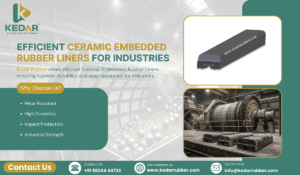
- Ceramic Strength: Ceramic tiles resist rubbing well but can break from sudden impacts, making load spreading very important.
- Wear Resistance Ideas: Tight clamping helps evenly distribute stress across the liner surface.
- Impact Dampening: Rubber-backed fastener setups help absorb shock forces, reducing strain on the fasteners.
This balance between being firm and flexible determines how effective fixing Hardware is in real plant conditions.
Design & Customisation Needs
Fixing Hardware can’t be one-size-fits-all for every job. Key design things to think about include:
- The thickness and curve of the equipment casing
- The weight and size of the liner segments
- Operating heat and dampness exposure
- Limits on access during setup
Specific sizing, thread style, and head shape are often needed to match particular equipment and liner setups perfectly.
Manufacturing Quality & Process Checks
Precise manufacturing is vital for fixing Hardware used in key equipment. Necessary quality steps include:
- Careful material choice
- Checking that dimensions are exact
- Tracking items in batches
- Making sure thread patterns are consistent
Process control ensures that every fastener behaves as expected, reducing variation during setup and operation.
Setup & Care Notes
From a maintenance viewpoint, well-designed fixing Hardware provides:
- Easier attaching and taking off of liners
- Less variation in tightness when securing
- Lower chance of fasteners getting stuck or ruined
This results in shorter downtime and safer maintenance periods.
Safety & Operation Dependability
Loose or failing Hardware creates safety hazards, such as liners coming loose and equipment being damaged. Firm fixing systems add directly to:
- Safer work areas
- Fewer emergency stops
- Stable equipment running for long periods
Value Over the Equipment’s Full Service Life
Though replacing fasteners accounts for only a minor portion of overall equipment expense, their effect on lifecycle economics is considerable. Dependable fastenings help lessen:
- Unexpected servicing needs
- Correction work during liner swaps
- Damage to adjacent machinery
This encourages ongoing maintenance refinement, steering clear of a narrow focus on immediate cost savings.
Preparedness for Export & Worldwide Acceptance
Industrial purchasers in worldwide venues anticipate fastening Hardware to satisfy:
- Precise size uniformity
- Clear documentation
- Industry-specific certifications
Producers ready for export develop fasteners with these expectations in mind, ensuring suitability across varied industrial settings.
The Importance of Seasoned Producers
Manufacturers with depth of experience provide:
- Knowledge of applications across sectors
- Insight into failure mechanisms
- Capacity for steady provision
This background curtails guesswork at the facility level.
About KEDAR RUBBER PRODUCTS PVT LTD
KEDAR RUBBER PRODUCTS PVT LTD is an established industrial supplier providing wear defence systems and associated fastening components for the mining, cement, metal, ceramic, power, and bulk material handling sectors throughout India and in international markets.
With direct involvement in actual plant operational scenarios, the firm assists engineers with solutions tailored to the specific application rather than off-the-shelf parts.
Further information can be found at 👉 https://www.kedarrubber.com/
Summary
Fastening Hardware might not be the most conspicuous element in a wear defence setup, but its function is crucial. By ensuring secure mounting, stable load-bearing, and sustained dependability, it supports the performance of rubber linings, ceramic components, and conveyor protection systems—ultimately boosting facility throughput and operational assurance.
Main Points to Note
- Crucial for dependable wear protection performance
- Directly influences equipment safety and operational time
- Appropriate for mining, cement, metal, ceramic, and bulk handling sectors
- Aids in long-term maintenance efficiency
- Relevant for both local and international industrial uses
Current Frequently Asked Questions
1. What is the usual service duration for fastening Hardware in industrial settings?
This varies based on operating circumstances, exposure to corrosion, and upkeep routines.
2. Do fasteners differ for rubber versus ceramic wear systems?
Yes, rubber setups call for pliability, whereas ceramic systems require greater weight distribution.
3. How frequently should fastening Hardware be checked?
Inspections generally align with the liners’ maintenance schedules.
4. Can generic bolts substitute for specialised engineered fasteners?
Standard bolts frequently fail under dynamic industrial forces.
5. Is fastening Hardware utilised universally within the mining sectors?
Yes, comparable requirements exist across global mining and processing centres.
#FixingHardware #BallMillRubberLiner #CeramicWearProtection #RubberLiningSystems #BallMillRubberProducts #ConveyorSolutions #WearProtectionSolutions #MiningEquipment #CementPlantSolutions #MetalProcessingIndustry #KedarRubberProducts