
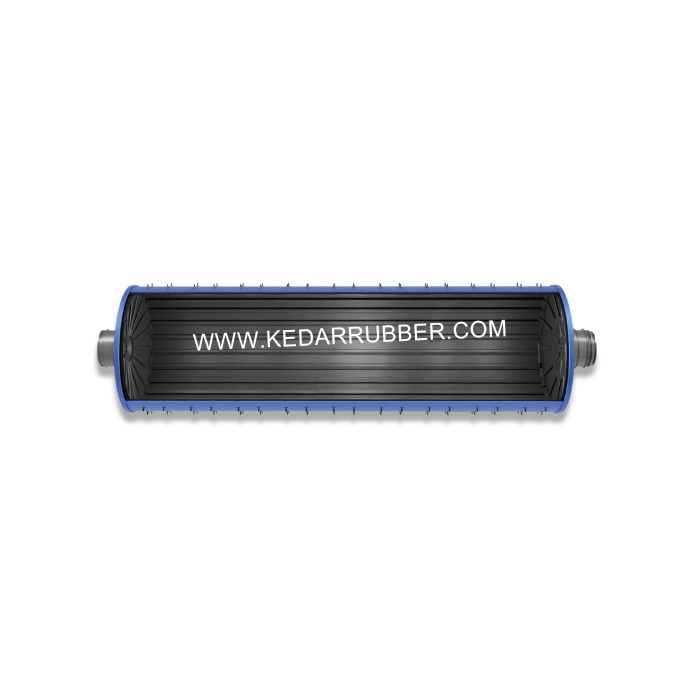
Abrasion Resistant Rubber Liner: Practical Guide for Indian Mills
When a grinding mill stops, the real loss is not only the part cost. It is the production gap, labour disruption, delayed dispatches, and the pressure on maintenance teams. That is why choosing the right abrasion resistant rubber liner matters so much in mining, mineral processing, and cement operations across Ahmedabad, Mumbai, Hyderabad, Chennai, Pune, Jaipur, and Kolkata. In this guide, you will see how to assess liner performance, what quality markers actually matter on the shop floor, and how Kedar Rubber approaches custom liner work for Indian plant conditions.
A good liner is not just about resisting wear. It must fit the mill correctly, absorb impact, reduce noise, support throughput, and make shutdown planning easier. Anyone who has handled an unexpected liner failure in peak season knows this. In many Indian plants, especially where ore quality or feed size keeps changing, the wrong liner can increase maintenance cost far faster than procurement teams expect.
Why Choose Kedar Rubber for Abrasion Resistant Rubber Liner
The best reason to work with an experienced manufacturer is simple: mill lining is never a one-size-fits-all job. Kedar Rubber brings over 25 years of practical industry experience, backed by an ISO 9001:2015 certified system and delivery history across 200+ clients. Led by Mr. Sandip Trivedi and a skilled team of rubber technology experts, the company focuses on liners that match actual mill conditions instead of generic catalog assumptions.
Yes, buyers often compare suppliers only on rate per piece. But maintenance heads usually look deeper. They ask: Will the liner seat properly? Will the profile handle slurry movement and impact load? Will liner weight help the shutdown team? These are the real questions behind long service life.
In actual plant discussions from Surat, Vadodara, and Bangalore, one issue comes up again and again: steel liners may survive impact, but they add weight, noise, and handling risk. A properly designed wear resistant rubber liner can offer longer wear life, up to 70% noise reduction, and a much lighter structure than steel, often around 65-75% lighter depending on design. That helps both production and safety teams. The takeaway is clear: liner selection should follow operating reality, not only purchase price.
A quick related read on performance in ceramic and process industries is this page on impact resistant rubber liner applications, which shows how operating environments can change liner design priorities.
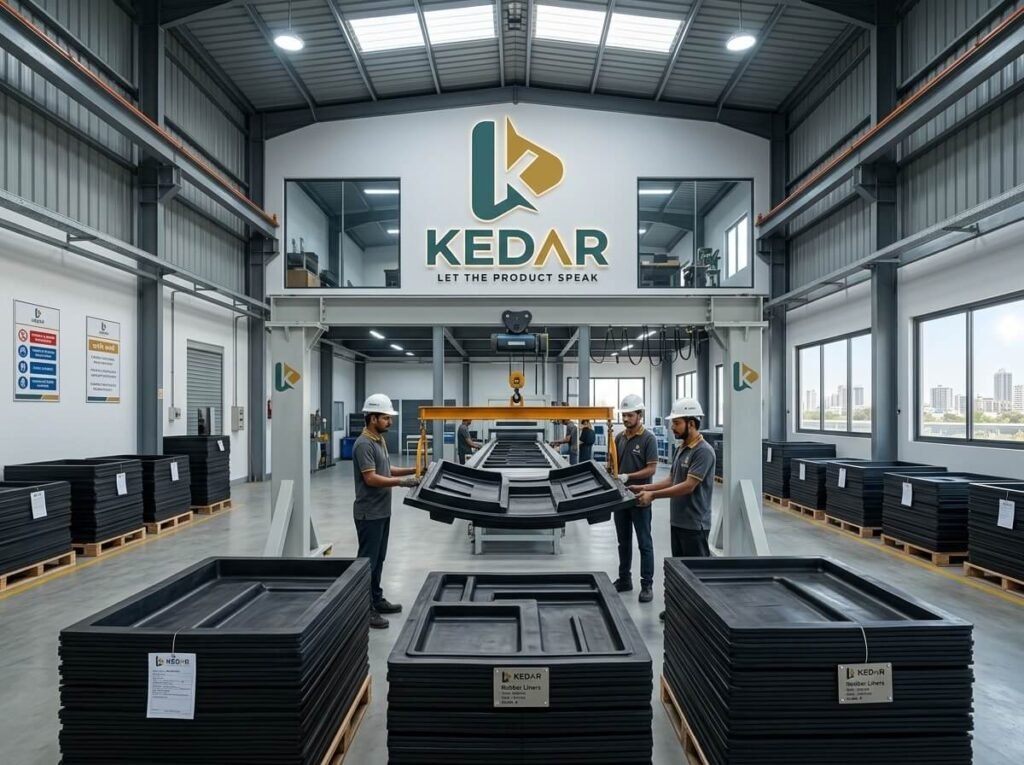
Our Abrasion Resistant Rubber Liner Manufacturing Capabilities
Here’s how Kedar Rubber handles liner manufacturing in a way that suits Indian mills. The process starts with understanding feed material, mill dimensions, rotation, slurry conditions, and discharge pattern. Without this, even a good compound can fail early. A strong custom rubber liner India project depends on design, molding accuracy, and compound selection working together.
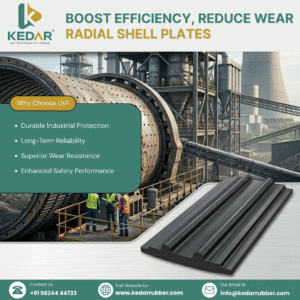
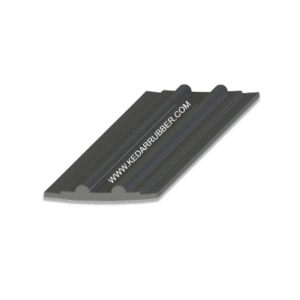
For ball mills and related grinding equipment, buyers often search for rubber liner manufacturers in Ahmedabad when they need fast technical coordination and easier plant visits. That local access helps, but technical depth matters more. The company’s facility at Changodar, Ahmedabad supports custom molded liner production for mining rubber liner, cement mill liner, shell plates, end plates, and ribbed combinations for demanding wear zones.
You might be thinking: does rubber work only in light-duty applications? Not at all. In the right design, an abrasion resistant rubber liner performs very well where sliding wear, wet grinding, and noise control are major concerns. It is especially useful when the plant wants lower downtime during maintenance shutdowns.
Plants also ask whether mixed designs are possible. Yes, they are. Some mills benefit from combined profiles, especially where impact and abrasion vary across zones. That is why this related solution page on combined liner with rib is worth reviewing if your mill sees uneven wear patterns.
Midway through supplier evaluation, many procurement teams want a direct commercial discussion. For that, use this link naturally where buying intent is highest:
Get a Quote for [Abrasion Resistant Rubber Liner]
A small example from a mineral unit near Indore makes the point well. The plant had been replacing liners too often because the previous profile looked acceptable on drawing but did not suit actual ore movement. After a revised design with better wear distribution, shutdown frequency improved. That small change saved more in maintenance planning than the team first expected. The lesson is simple: liner geometry is as important as the rubber grade.
For plants comparing alternatives, this page on wear resistant rubber liners gives a broader product view and helps clarify application fit. In short, manufacturing capability means more than molding capacity; it means matching compound, profile, and operating conditions correctly.
Navigating Quality Standards & ISO 9001:2015 Certification
The best quality systems reduce surprises before the liner reaches your site. Kedar Rubber operates as an ISO 9001:2015 certified company, which matters because consistency in dimensions, traceability, process checks, and documentation directly affects installation quality. In liner work, even a small mismatch can stretch shutdown hours.
External ISO 9001:2015 quality principles are useful here because they push manufacturers toward controlled processes, inspection discipline, and corrective action systems. For plant buyers in Delhi or Chandigarh, that often translates into confidence that repeat orders will behave like the sample approval, not like a fresh experiment every time.
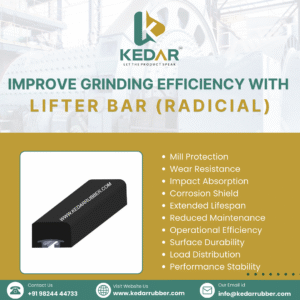
Another practical point is testing and material discipline. A proper longer life rubber liner should be checked not only for hardness but for bonding integrity, dimensional consistency, and fitment reliability. A noise reduction rubber liner also needs proper design support; simply using rubber does not guarantee good performance if liner thickness and profile are wrong.
Many teams searching online for ball mill rubber liner manufacturers near me are really asking a different question: who can solve the wear problem with fewer headaches? The answer usually lies in engineering discipline, not in geography alone. This article on reliable impact resistant rubber liner supplier in India gives helpful context on how Indian buyers assess that reliability.
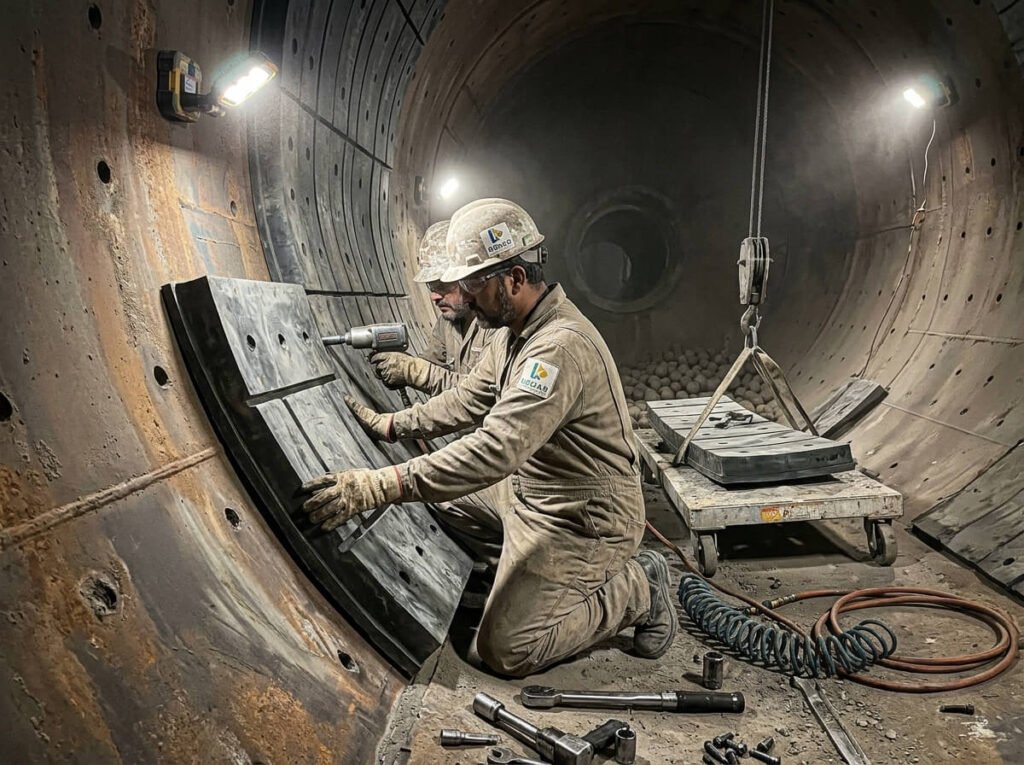
Local Manufacturers vs Kedar Rubber
Here’s how buyers generally compare a local unstructured supplier with Kedar Rubber when evaluating an abrasion resistant rubber liner program.
| Comparison Point | Typical Local Supplier | Kedar Rubber |
|---|---|---|
| Experience Base | May be product-focused only | 25+ years in custom rubber solutions |
| Quality System | Limited documentation | ISO 9001:2015 certified processes |
| Customization | Standard sizes only | Mill-specific design and molded profiles |
| Noise Reduction | Not always addressed | Up to 70% noise reduction potential |
| Weight Advantage | May rely on heavy conventional options | 65-75% lighter than steel in suitable designs |
| Track Record | Project references may be limited | 200+ clients, 30+ major projects, 5+ awards |
This comparison does not mean every local supplier is unsuitable. It simply shows what informed buyers usually check before finalizing a rubber mill liner India partner. The main point is this: consistent systems reduce operating risk.
For readers looking at region-specific supply support, this page on impact resistant rubber liner in Ahmedabad adds useful local context.
Step-by-Step Process – How We Deliver Abrasion Resistant Rubber Liner
Here’s how Kedar Rubber typically delivers a liner project from inquiry to installation support.
Step 1: Application review
The team studies mill size, feed characteristics, wear zone behavior, and shutdown constraints. This is where many failures are prevented.
Step 2: Design and compound selection
A mining rubber liner for slurry duty may need a different approach than a cement mill liner handling different abrasion and impact balance. Profile design is finalized accordingly.
Step 3: Manufacturing and inspection
Custom molded rubber products are produced under controlled conditions. Dimensional checks, fitment checks, and process documentation support repeatability.
Step 4: Dispatch and coordination
For plants in Mumbai, Chennai, or Hyderabad, packing and dispatch planning matter because shutdown windows are tight. Good supply coordination is part of the technical service.
Step 5: Installation feedback and performance review
Field feedback improves future batches. This is especially useful where ore changes seasonally or throughput increases later.
A mini success story from a ceramic processing unit in Ahmedabad is worth noting. The maintenance team wanted lower noise and easier handling during liner replacement. After switching to a custom design, workers reported smoother shutdown execution and better housekeeping around the mill area. That is not dramatic marketing talk; it is the kind of practical improvement plant people remember. In short, a good process gives a good liner a fair chance to perform.
For broader company and support information, you can also review the industrial rubber manufacturer Gujarat home page.
Real Client Case Study
Here’s how a real-world style case typically looks. An anonymized cement grinding client in Pune had recurring complaints: liner wear was uneven, replacement planning was reactive, and mill area noise made communication difficult during operation. The procurement team had already spoken with several ball mill rubber liner manufacturers, but what they needed was not just supply; they needed fit-for-duty redesign.
After reviewing mill conditions, a revised abrasion resistant rubber liner configuration was recommended with attention to wear zones and handling ease. The result was a more stable replacement cycle, reduced maintenance burden, and a noticeable improvement in operator comfort due to lower noise. The client also appreciated the lighter handling load during shutdown.
That outcome reflects a wider truth in this sector. Whether the plant is in Delhi, Kolkata, or Jaipur, the biggest gains often come from reducing avoidable downtime. If you want practical next steps, ask for a Free Rubber Liner Consultation, request the Download Ball Mill Liner Cost Guide, or connect on WhatsApp for faster technical discussion. You can also use the contact page for direct coordination: +91-98244 44733, +91 63569 50669, +91 63590 30015, +91 90990 53366, 079 4924 3469.
FAQs
1. What is an abrasion resistant rubber liner used for?
It is used in mills and material handling systems where sliding wear, impact, and noise need to be controlled.
2. Is a rubber liner better than steel for every mill?
No. It depends on feed size, impact level, operating conditions, and maintenance priorities.
3. How long does a longer life rubber liner last?
Service life varies by application, but correct design and compound selection significantly improve durability.
4. Can you supply custom rubber liner Ahmedabad solutions for older mills?
Yes, custom dimensions and profiles can be developed for existing mill specifications.
5. Does a noise reduction rubber liner really reduce sound?
Yes. In suitable applications, rubber liners can reduce operating noise substantially.
6. Which industries use mining rubber liner and cement mill liner products?
Mining, cement, ceramics, mineral processing, and related heavy process industries commonly use them.
7. How do I choose among ball mill rubber liner manufacturers?
Check design support, quality systems, customization ability, inspection practices, and project experience.